Fathers and Sons
Book Summary & Analysis
Book summary and writing analysis of Fathers and Sons by Ivan Turgenev.
Fathers and Sons works because Turgenev builds a story where belief behaves like weather. You can’t talk it away; you have to live through it. The central dramatic question sounds polite but cuts deep: can Arkady Kirsanov bring home his new creed (and his mentor Bazarov) without wrecking his family, his friendships, and his own sense of self? If you try to imitate this novel by copying its “themes,” you will write a lecture. Turgenev writes a pressure system: people collide, then consequences bloom.
He sets that pressure in a specific place and moment: rural Russia in the early 1860s, just after emancipation, when old estates wobble and new ideas swagger. You feel the setting in the Kirsanov property, the awkward dinners, the labor talk that never quite touches laborers, the distance between Petersburg “thinking” and provincial “living.” The book’s real setting isn’t a landscape; it’s a social room with too many sharp edges. Turgenev keeps you inside those rooms long enough for manners to become weapons.
The inciting incident doesn’t arrive as a gunshot. It arrives as a return. Arkady comes home to Marino with Bazarov, and Arkady chooses to present this abrasive “nihilist” as a model worth admiring. In the very first family meetings, Bazarov refuses the expected deference, Nikolai tries to host like a good man, and Pavel bristles because he hears the future insulting his entire identity. That single decision—who Arkady brings across the threshold—starts the machine. If you miss how surgical that is, you will front-load “conflict” later and wonder why nothing sticks.
Turgenev escalates stakes through humiliation, not explosions. Each scene forces a public stance. A dinner conversation turns into a referendum on taste. A casual remark about “principles” turns into a test of manhood. The protagonist isn’t only Arkady in the conventional sense; Bazarov functions as the spear tip, the character who forces every other character to reveal what they protect. The primary opposing force isn’t “society” in the abstract; it’s Pavel Petrovich Kirsanov, whose refinement hides a rigid code and a personal injury he can’t admit.
The structure climbs by moving the characters into new social microscopes. First the estate, then the town and its officials, then Odintsova’s polished household where ideas meet composure and lose their swagger. Each move changes the rules of dominance. On the estate, Pavel can punish with manners. In Odintsova’s drawing rooms, Bazarov can’t bludgeon his way to victory because the room refuses to react. That’s how Turgenev raises the stakes: he takes the same ideological fighters and changes the arena until their favored weapons stop working.
The midpoint turn comes when the book proves that “nihilism” doesn’t immunize you against appetite. Bazarov, who mocks romance and art, meets Anna Sergeyevna Odintsova and discovers desire he can’t reduce to chemistry without lying. Meanwhile Arkady, who thinks he wants to be Bazarov, begins to notice how much he wants comfort, belonging, and a life that doesn’t require constant contempt. Turgenev doesn’t announce these shifts. He makes the characters behave slightly differently, and you feel the crack spread.
From there, the story tightens the screws by making pride physical. Pavel and Bazarov push their feud past talk into a confrontation that can’t stay theoretical. Turgenev uses the duel not as melodrama but as proof of contagion: the old aristocratic ritual infects the “new man,” and the “new man” infects the old world’s calm. If you imitate the duel as a “cool event,” you will miss the point. The duel lands because it exposes both men as trapped by images of themselves.
The ending resolves the dramatic question with a grim kindness. Arkady finds a workable life and a workable love, and he steps out of borrowed convictions into his own limits. Bazarov meets the boundary he spent the whole book denying: he can’t control nature, chance, or the consequences of his own recklessness. Turgenev closes on an image of continuity that refuses both cynicism and propaganda. He shows you why the novel works: it judges nobody in a simple way, but it also refuses to let anybody off the hook.
Story Structure & Narrative Arc
Story structure and emotional arc in Fathers and Sons.
Fathers and Sons follows a subversive “Tragedy with a contained domestic counter-melody.” Arkady starts confident because he borrows Bazarov’s certainty like a fashionable coat; he ends steadier because he accepts a smaller, truer identity. Bazarov starts armored by contempt and ends exposed by the one thing he can’t argue with: his own human need and his own mortality.
The sentiment shifts land because Turgenev makes reversals social before he makes them philosophical. Early scenes offer the pleasure of verbal dominance and swagger. Then the book flips the emotional weather: the same boldness starts to read as cruelty, then as fear. The lowest points don’t come from villainy; they come from self-contradiction catching up in public, where pride forces characters to double down until the cost turns irreversible.

Studying this book—and stuck on your pages?
Put your draft in Draftly. Fix scenes and dialogue in the text—not in another tab. When you want sharper feedback, AI editors are ready.
Free welcome credits included. No credit card needed.Writing Lessons from Fathers and Sons
What writers can learn from Ivan Turgenev in Fathers and Sons.
Turgenev shows you how to stage ideas without turning characters into pamphlets. He assigns each worldview a social behavior, a rhythm of speech, and a vulnerability. Bazarov doesn’t “represent nihilism” in a tidy way; he performs it through blunt entrances, refusals of courtesy, and a surgeon’s confidence that makes other people feel stupid. Then Turgenev pressures that performance until it cracks. You learn the real trick: make the philosophy actionable, then punish the action.
He also controls tone with an editor’s restraint. He uses free indirect style to sit close to a character’s mind without swallowing the whole book in that character’s rhetoric. You can feel affection for Nikolai’s decency even when his gentleness looks inadequate. You can feel the sting in Pavel’s elegance even when it looks ridiculous. Modern writers often shortcut this with “balanced takes” in authorial commentary. Turgenev keeps his hands off the scale and lets scene consequences do the weighing.
Watch the dialogue between Pavel Petrovich and Bazarov at Marino: Turgenev doesn’t write “debates,” he writes dominance games. Pavel asks for definitions because he wants to trap Bazarov into an absurdity; Bazarov answers with contempt because he wants to deny Pavel the dignity of a serious opponent. Each line carries a second intention: not to persuade, but to place the other man lower in the room. If you write these exchanges as polite philosophical sparring, you will drain the voltage. People argue to win social reality, not to clarify Wikipedia.
The atmosphere comes from concrete domestic spaces, not “Russian gloom.” The Kirsanov estate runs on awkward kindness, stale rituals, and the faint embarrassment of living off old structures that no longer justify themselves. Odintsova’s house offers a different chill: order so polished it makes emotion feel vulgar. Turgenev builds world through hosting, waiting, and the small humiliations of visiting. Modern fiction often paints “setting” as scenic description. Here, setting behaves like a moral instrument that changes how characters speak, flirt, and wound.
How to Write Like Ivan Turgenev
Writing tips inspired by Ivan Turgenev's Fathers and Sons.
Write with a calm surface and a sharp underside. Turgenev never shouts, which means every sting lands clean. You should keep your sentences plain enough that the reader forgets the prose and watches the people, but you must choose verbs that reveal judgment without preaching. Don’t decorate irony; aim it. If you want humor, let it come from contrast between a character’s self-image and the room’s reaction, not from punchlines.
Build characters as competing definitions of adulthood. Give each one a creed, but also give them a private embarrassment that the creed tries to cover. Arkady wants to look fearless, but he wants approval. Pavel wants to look unshakeable, but he can’t forgive his own past. Bazarov wants to look scientific, but he craves dominance and then tenderness. You should track what each character gains socially when they speak, and what it costs them emotionally afterward.
Don’t fall into the prestige trap of “important themes” and forget to make scenes. The genre temptation here pushes you toward speeches about progress, tradition, or class. Turgenev avoids that by making every ideological claim trigger a relational consequence inside a family system. Somebody loses face. Somebody retreats. Somebody retaliates. If your scenes end with everyone still equally plausible and equally calm, you didn’t dramatize ideas; you displayed them.
Try this exercise. Write a dinner scene where a visitor arrives as a living insult to the host’s identity, and nobody can admit it directly. Give each character one conversational tactic: define terms, change subject, mock, charm, play peacemaker. Then force a second scene in a different household with different rules of politeness, and make the same tactics fail or backfire. End with one irreversible action that proves the argument never stayed “intellectual.”
Who Would Edit This Book?
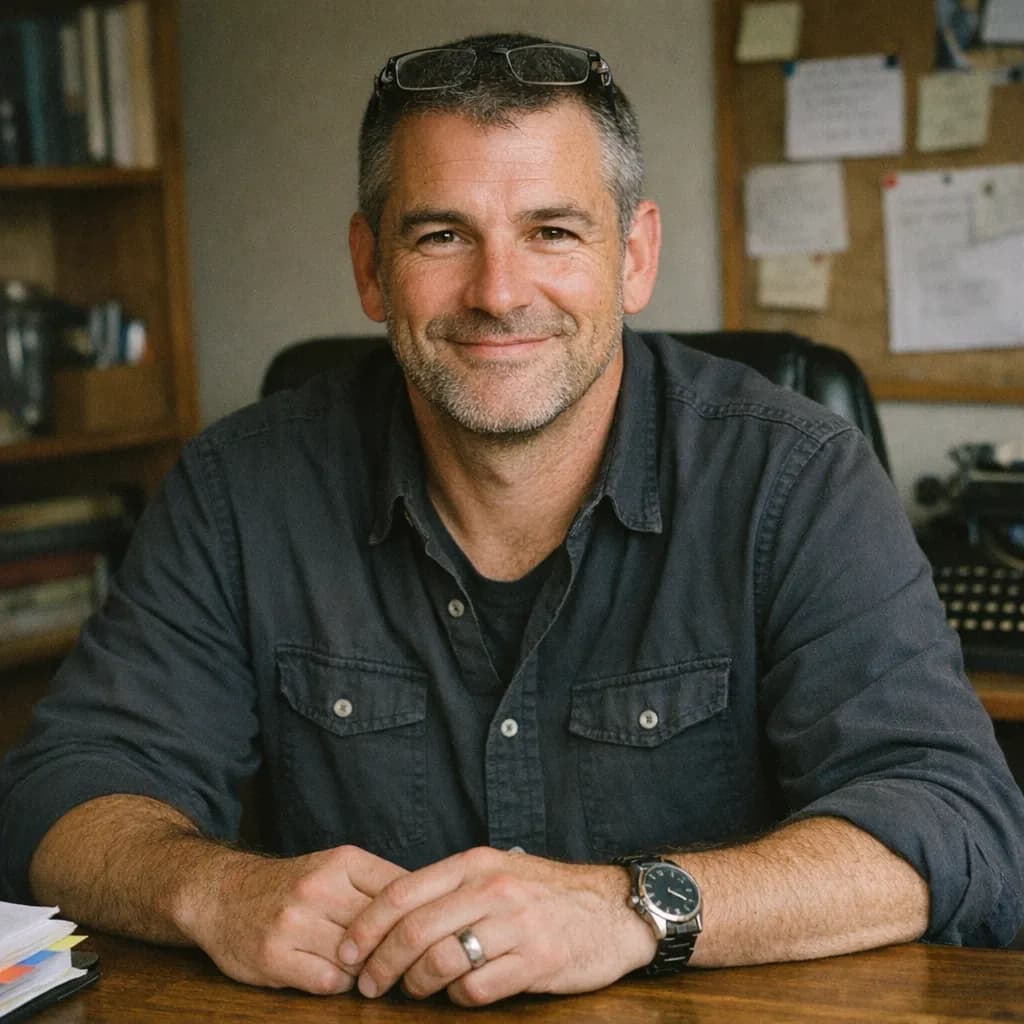
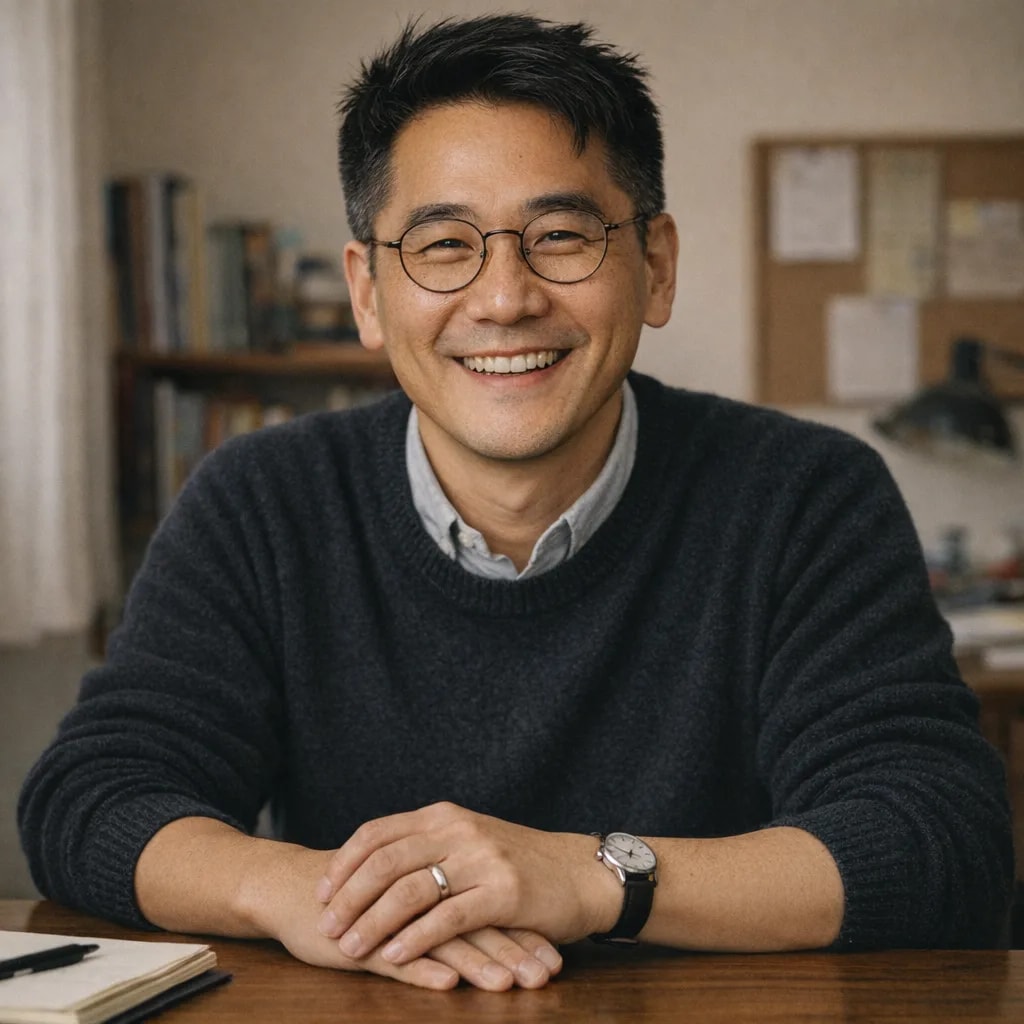
Callum Rhys Mahoney
Developmental Fiction Editor and Manuscript CoachI grew up between Wagga and my aunt’s place out near Narrandera, in a family that could argue for sport and then feed you like nothing happened. Books were around, but not in a precious way. My old man liked stories where people did what they said they’d do, even if it cost them. I still hear that voice when a character “can’t” make a decision because the plot needs another chapter. I didn’t set out to be an editor. I studied teaching, worked a few rough years in classrooms, and then left after a run of short contracts and one admin reshuffle that made it clear I was replaceable. A mate pulled me into doing learning materials and assessments because I could spot where people were gaming the question. That work taught me to watch for what the text rewards versus what it claims to reward - which is the same problem in a lot of manuscripts. I also spent a couple of seasons doing night shifts at a servo when money got tight. I kept a notebook behind the counter and wrote scenes between customers, mostly to stay awake. I remember one bloke coming in every Thursday, buying the same pie, and telling me the same story about a dog he swore was smarter than his ex. I don’t know why I remember that, but I do. Editing started as favour-work. People in town found out I’d read their drafts and I’d send back long emails with scene-by-scene notes. Somewhere along the line it became my paid work, mostly because I was consistent and because I’m not afraid to say, “This turn doesn’t belong to your protagonist.” I’m biased toward decisive characters and I don’t plan to cure myself of it; I’d rather a story risk an ugly choice than drift into polite inevitability.
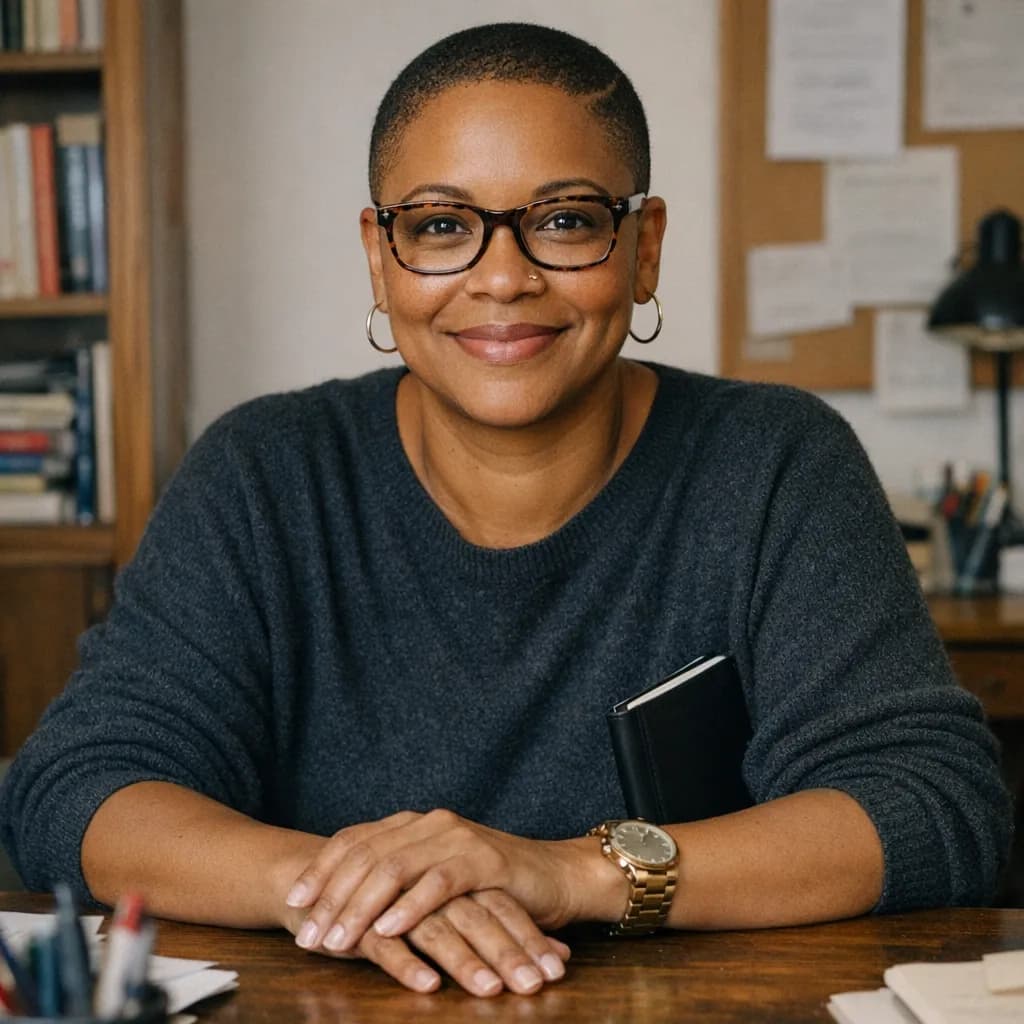
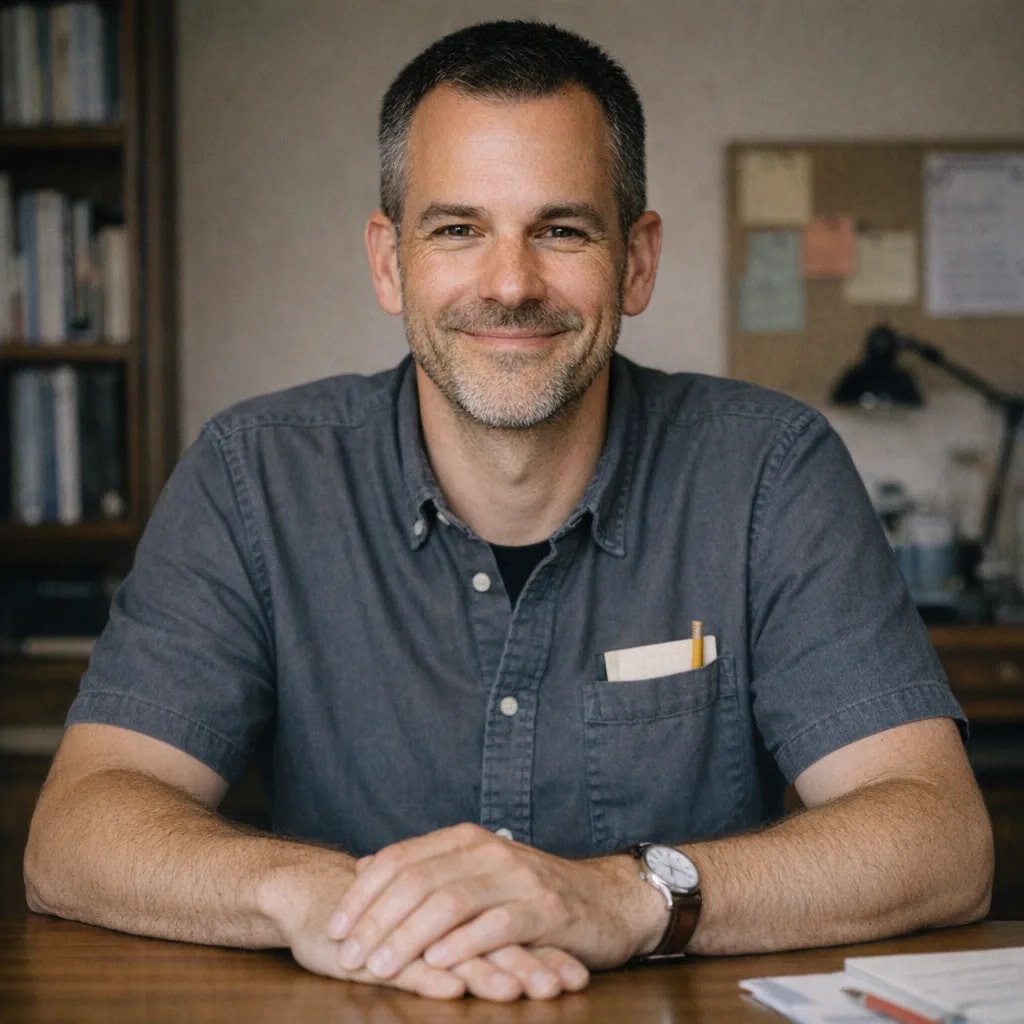
Danae Marcelline Brooks
Developmental Fiction Editor & Manuscript CoachI grew up between church basements, tidewater heat, and people who could tell a whole family story while stirring a pot and never looking up. My mom kept paperback romances in a shoebox like they were contraband, and my aunt kept a shelf of mystery novels with cracked spines. I read both. I learned early that readers forgive a lot, but they don’t forgive being bored or being lied to. I didn’t come up dreaming about editing. I wanted steadier work than “writer,” and I was the kid who could take notes fast, so I ended up in admin jobs where I got volunteered into fixing other people’s documents. Outside of that, I spent a couple years doing hair out of a friend’s kitchen. That part of my life doesn’t explain my editing, but it’s true: I still remember the sound of a cape snapping and how people tell you the most pointed truths when they think you’re not allowed to answer back. Sometimes I miss that kind of honesty. A storm took out power for a week when I was in my late twenties, and I agreed to help a neighbor organize a stack of workshop pages because there wasn’t much else to do at night. The pages were a mess, but the voice was alive. I wrote margin notes the way I talk, not the way school taught me, and the neighbor asked for more. That turned into being the person people handed drafts to. I still carry this old belief that if you “work hard enough,” the story will behave. I don’t defend it, but I catch myself acting like it’s true when I see a writer piling scenes on top of scenes. Now I’m a developmental editor because I’m impatient with pretty sentences that protect a story from making decisions. My bias is I’ll side-eye passive main characters harder than most editors will, even when the genre gives them excuses. I don’t correct that. It’s the lens I read through, and writers who want a gentler read should pick someone else. If you want a first reader who will point at the exact scene where your book starts dodging consequences, I’m your person.
Frequently Asked Questions
- What makes Fathers and Sons so compelling?
- Most people assume the novel hooks you through its “big themes” about generations and politics. Turgenev actually hooks you through social mechanics: he turns every belief into behavior that insults someone else in the room. That design forces constant micro-escalations—loss of face, wounded pride, awkward loyalty—until the characters can’t retreat without betraying their self-image. If you want similar pull, don’t write smarter arguments; write scenes where winning an argument costs a relationship.
- What themes are explored in Fathers and Sons?
- A common assumption says the book “covers nihilism vs tradition” and leaves it there. Turgenev threads larger themes through personal needs: hunger for belonging, fear of irrelevance, erotic power, and the shame of dependency. He also explores how language turns into status, especially when educated people talk about “the people” in rooms far from actual labor. When you write about themes, treat them as consequences of choices, not as labels you attach to chapters.
- Who is the protagonist in Fathers and Sons, and who opposes them?
- Readers often try to pick one protagonist and one villain, as if the book uses a modern hero-vs-antagonist template. Arkady functions as the emotional entry point because he changes the most, but Bazarov drives the plot’s pressure by forcing everyone to react. Pavel Petrovich opposes Bazarov most directly, yet he also opposes Arkady’s attempt to import a new identity into the household. If you model this, design your “opposition” as a clash of self-respect, not a single bad actor.
- How long is Fathers and Sons?
- People assume length tells you difficulty, but translation and edition matter as much as page count. Most English editions run roughly 200–300 pages, and the chapters read quickly because Turgenev builds scenes with clear objectives and clean exits. The real challenge comes from subtext: characters say one thing and fight about something else. When you study it, track scene purpose and outcome, not pages read.
- Is Fathers and Sons appropriate for modern readers and students?
- A common worry says a 19th-century Russian novel will feel slow or overly “literary.” This one stays surprisingly accessible because it centers on family embarrassment, status games, and the desire to look right in front of people you love. Some social attitudes reflect its era, and you should read with historical awareness rather than approval. As a craft text, it rewards you most when you note how Turgenev makes conflict behave politely while it bites.
- How do I write a book like Fathers and Sons?
- Many writers think they should copy the subject matter—political debate, generational conflict, a “message.” Turgenev’s real method starts with a domestic container, introduces a catalytic outsider, and then forces every character to choose between manners and truth. He escalates by changing social arenas so the same persona stops working. If you attempt this, outline consequences per scene—who gains status, who loses intimacy—because that ledger drives the story.
About Ivan Turgenev
End quiet scenes on one withheld fact. Moral weight arrives after the dialogue stops.
Turgenev changed the novel by proving you can write about big social pressure without turning your pages into speeches. He builds meaning through restraint: a clean surface that hides competing motives underneath. He lets the reader feel intelligent for noticing what characters refuse to admit. And that quiet confidence pulls you forward harder than melodrama.
His engine runs on calibrated distance. He places you close enough to smell the grass and hear a pause in a sentence, but not so close that you can label anyone a hero or villain. He measures sympathy in teaspoons. You watch people behave well, then watch them betray themselves with one small choice. That's the whole trick: he makes the decisive moment look like an everyday moment.
Imitating him feels easy because the sentences look plain. That's the trap. The difficulty lives in selection: what he shows, what he delays, and what he never explains. If you copy only the softness, you get blandness. If you copy only the melancholy, you get fog. He earns his effects through structure: scenes that arrive calm and leave you slightly ashamed you judged too early.
Modern writers need him because he teaches control without flash. He models how to argue on the page without "arguing." He drafted with a strong sense of scene order and revised for exact emotional pressure—cutting explanations, sharpening entrances and exits, and letting implication do the work. Study him when you want to write morally complex people in a politically loud world, and still keep your prose quiet enough to sting.






Ready to improve your draft with direction?
Open Draftly, bring your draft, and move from stuck to a stronger draft without losing your voice. Editors are on standby when you want a deeper pass.
Free welcome credits included. No credit card needed.