Ficciones
Book Summary & Analysis
Book summary and writing analysis of Ficciones by Jorge Luis Borges.
Ficciones works because Borges treats thought as action. He doesn’t ask “what happens next?” He asks “what does this idea do to a mind when it becomes unavoidable?” The central dramatic question across the book’s best-known stories stays brutally simple: when a person meets an impossible system (an infinite library, a perfect memory, a book that rewrites reality), do they master it, or does it master them first? You might assume this kind of fiction floats above drama. Borges proves the opposite. He builds pressure by making concepts behave like predators.
Don’t imitate this book by collecting clever premises. That mistake produces a cold cabinet of curiosities. Borges attaches each premise to a human weakness you already recognize in yourself: pride disguised as scholarship, certainty disguised as taste, boredom disguised as cynicism. The protagonist often looks like a modest man with a reasonable job—librarian, scholar, detective, translator—because Borges wants you to trust him. Then Borges adds an opposing force that does not negotiate. Sometimes that force takes a human mask (a rival, a judge, a secret society). More often it takes a textual form: a book, a labyrinth, an encyclopedia, a doctrine, a name.
He sets most stories in concrete, unromantic places: Buenos Aires streets and patios; boarding houses; libraries; back rooms; and, in “The Garden of Forking Paths,” a wartime Europe of trains, country lanes, and an English sinologist’s study. Time sits in the early-to-mid 20th century but keeps slipping; Borges turns history into a hallway with hidden doors. That setting choice matters. He keeps the furniture ordinary so the metaphysics feels like an intrusion, not a costume change.
The inciting incident in a Borges story rarely arrives as a chase or a scream. It arrives as a document. In “Tlön, Uqbar, Orbis Tertius,” Borges (as character) and Bioy Casares argue in a Buenos Aires house about mirrors and novels; then they find a suspicious encyclopedia entry on Uqbar. That single “research” moment operates like a trapdoor. A reference point appears, and the protagonist makes the fatal decision every ambitious writer understands: he keeps reading. He chooses the comfort of explanation over the discomfort of stopping.
From there Borges escalates stakes with a craft move most modern imitators skip: he makes the world respond. First the protagonist gains status (access, knowledge, a secret), which reads as “fortune.” Then the premise expands beyond private obsession into public contagion. In “Tlön,” objects from an invented world begin to appear in our world, and the counterfeit becomes more useful than the real. In “The Library of Babel,” the total archive doesn’t liberate humanity; it destroys meaning. Borges escalates by widening the radius of consequence from one mind to a society, and he never needs a big cast to do it.
He also builds opposition by letting language fight. His antagonists often control classification: they name, index, catalog, and therefore rule. That’s why the book feels like a duel between a person and a system. When you try to copy Borges with “mind-blowing twists,” you miss the real weapon. Borges uses definitions as knives. He makes the narrator’s tone—measured, footnoted, polite—serve as the tight lid on boiling dread.
The structural payoffs look quiet on the surface and savage underneath. Borges loves an ending where the protagonist “understands” and loses at the same moment. Think of “Funes the Memorious”: perfect recall becomes a prison, not a gift. Or “The Garden of Forking Paths”: Yu Tsun commits murder to transmit a message, and the labyrinth of time turns his act into both destiny and accident. Borges lands climaxes not through spectacle but through irreversible implication. You leave the story with a new rule in your head that you cannot unlearn.
So the warning stands: don’t copy his décor—labyrinths, mirrors, invented citations. Copy his pressure system. He makes curiosity create consequences. He makes intellect collide with ethics. And he forces the protagonist to choose, even when the choice looks like “only thinking.” If your version lets your narrator stay clever and clean, you didn’t write in Borges’s key. You wrote an essay wearing a story’s coat.
Story Structure & Narrative Arc
Story structure and emotional arc in Ficciones.
Ficciones runs a subversive Man-in-a-Hole arc: the protagonist starts calm, competent, and intellectually hungry, then descends into a trap built from knowledge itself. He ends not “defeated” in a melodramatic way, but revised—his certainty breaks, his identity warps, or his moral alibi collapses.
The sentiment shifts land hard because Borges makes every high feel earned: the narrator finds a clue, gains access, wins a small argument with reality. Then Borges flips the value charge by showing the cost of that access. The low points often arrive as recognition, not disaster—the moment the protagonist sees the system’s full shape and realizes he cannot step outside it. Climaxes hit because Borges cashes in earlier calm detail; the ordinary room, book, or conversation suddenly becomes the door that locks.

Studying this book—and stuck on your pages?
Put your draft in Draftly. Fix scenes and dialogue in the text—not in another tab. When you want sharper feedback, AI editors are ready.
Free welcome credits included. No credit card needed.Writing Lessons from Ficciones
What writers can learn from Jorge Luis Borges in Ficciones.
Borges earns your trust with editorial manners. He writes like a careful essayist: definitions, dates, bibliographic crumbs, measured concessions. That voice does two jobs. It lowers your guard, and it turns the impossible into something you feel you should accept because the narrator sounds responsible. Many modern writers try to get the same effect with “wacky” premises and faster pacing. Borges goes the other way. He makes the syntax behave. He makes certainty sound like a library card.
He builds story from falsifiable details. In “Tlön, Uqbar, Orbis Tertius,” the argument with Adolfo Bioy Casares starts as social banter about mirrors and fiction, then becomes a hunt for a reference. Borges stages seduction through scholarship: two smart friends talking, a book pulled from a shelf, a discrepancy that begs correction. That interaction matters because it models a believable incitement for intellectual characters. You don’t need a gunshot. You need a reason the protagonist can’t stand leaving an error uncorrected.
He creates atmosphere through location, not mood words. He gives you the Buenos Aires house where the conversation happens, the library stacks, the suburban rooms where papers circulate, the sense of a city built from courtyards and corners. Then he lets the metaphysics arrive as an administrative fact: a new volume, a new doctrine, a new artifact. Modern shortcut: you “show the weird” by making the world visually strange. Borges keeps the wallpaper plain so the idea glows like a stain you can’t scrub out.
Structurally, he treats concepts like antagonists with strategies. The library doesn’t just exist; it defeats interpretation. Tlön doesn’t just get invented; it recruits reality by offering better tools and cleaner explanations. Even when Borges writes in first-person, he refuses the contemporary habit of explaining feelings at length. He lets the reader feel dread through implication and narrowing options. If you want to learn how to make a short piece feel like a whole cosmology, watch how he escalates from a private clue to a public takeover without ever raising his voice.
How to Write Like Jorge Luis Borges
Writing tips inspired by Jorge Luis Borges's Ficciones.
Write your narrator like someone who would bore you at a dinner party, then make him quietly dangerous. Keep the sentences clean. Make every claim feel sourced, even when you invent the source. Resist the wink. Borges never begs you to admire his cleverness; he behaves as if he reports facts. You should do the same. When you feel tempted to add a flourish, add a limitation instead. Certainty plus restraint creates the tension. Comedy can exist, but it should arrive as dry precision, not stand-up.
Build characters from obsessions, not backstory. Give your protagonist a professional identity that shapes what he notices: librarian, translator, minor historian, low-level agent. Then give him one private hunger he won’t confess: to be right, to be chosen, to find the hidden order. Let the opposing force target that hunger. In “The Garden of Forking Paths,” Yu Tsun doesn’t chase adventure; he chases significance under pressure. You can sketch a whole person by showing what problem he cannot stop solving.
Don’t mistake mystery for depth. Many writers copy the surface of this genre—labyrinths, secret societies, fake citations—then hide behind vagueness when the logic gets hard. Borges avoids that trap by making the invented system coherent enough to argue with. He defines rules, then he enforces them. If your premise cannot survive a hostile reader asking “so what would happen next, specifically,” you don’t have a Borges-style engine. You have decorative fog, and fog never escalates stakes.
Write one story as a scholarly note that turns into a confession. Start with a mundane dispute between two named characters over a quotation or a definition. Insert a “found” reference that seems minor but slightly wrong. Make your protagonist choose to verify it, then force the world to respond in three steps: private proof, public proof, irreversible cost. Keep each step concrete: a book with missing pages, a physical object that shouldn’t exist, a decision that stains the protagonist’s life. End by stating the new rule as if it now counts as common knowledge.
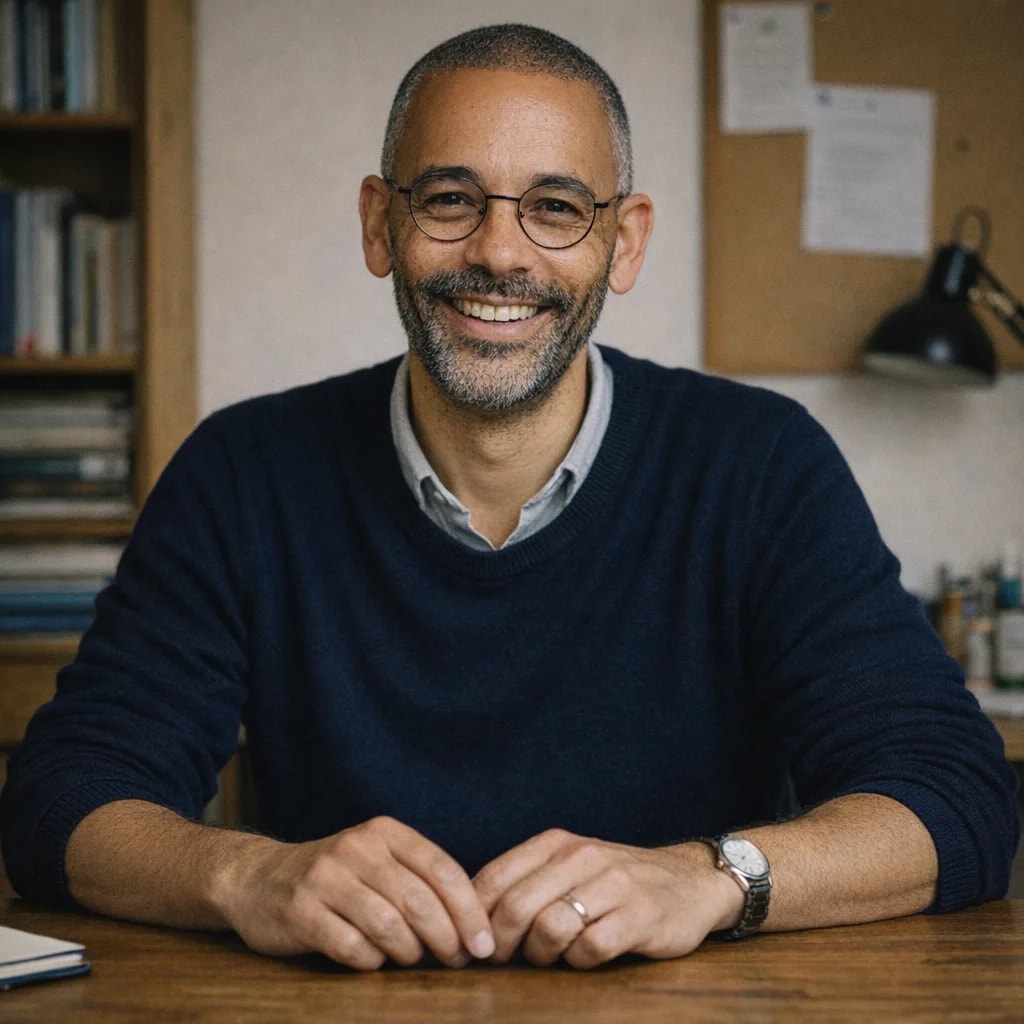
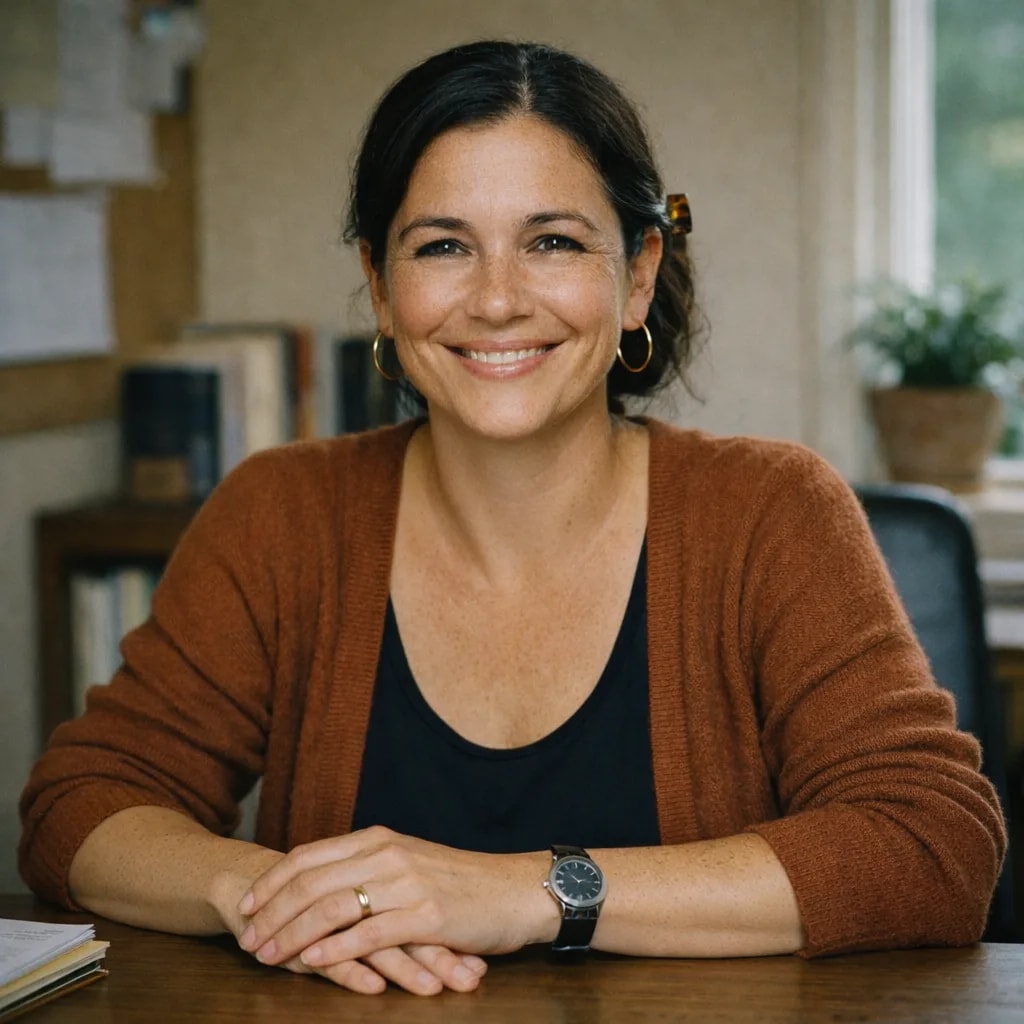
Who Would Edit This Book?

Callum Rhys Mahoney
Developmental Fiction Editor and Manuscript CoachI grew up between Wagga and my aunt’s place out near Narrandera, in a family that could argue for sport and then feed you like nothing happened. Books were around, but not in a precious way. My old man liked stories where people did what they said they’d do, even if it cost them. I still hear that voice when a character “can’t” make a decision because the plot needs another chapter. I didn’t set out to be an editor. I studied teaching, worked a few rough years in classrooms, and then left after a run of short contracts and one admin reshuffle that made it clear I was replaceable. A mate pulled me into doing learning materials and assessments because I could spot where people were gaming the question. That work taught me to watch for what the text rewards versus what it claims to reward - which is the same problem in a lot of manuscripts. I also spent a couple of seasons doing night shifts at a servo when money got tight. I kept a notebook behind the counter and wrote scenes between customers, mostly to stay awake. I remember one bloke coming in every Thursday, buying the same pie, and telling me the same story about a dog he swore was smarter than his ex. I don’t know why I remember that, but I do. Editing started as favour-work. People in town found out I’d read their drafts and I’d send back long emails with scene-by-scene notes. Somewhere along the line it became my paid work, mostly because I was consistent and because I’m not afraid to say, “This turn doesn’t belong to your protagonist.” I’m biased toward decisive characters and I don’t plan to cure myself of it; I’d rather a story risk an ugly choice than drift into polite inevitability.

Danae Marcelline Brooks
Developmental Fiction Editor & Manuscript CoachI grew up between church basements, tidewater heat, and people who could tell a whole family story while stirring a pot and never looking up. My mom kept paperback romances in a shoebox like they were contraband, and my aunt kept a shelf of mystery novels with cracked spines. I read both. I learned early that readers forgive a lot, but they don’t forgive being bored or being lied to. I didn’t come up dreaming about editing. I wanted steadier work than “writer,” and I was the kid who could take notes fast, so I ended up in admin jobs where I got volunteered into fixing other people’s documents. Outside of that, I spent a couple years doing hair out of a friend’s kitchen. That part of my life doesn’t explain my editing, but it’s true: I still remember the sound of a cape snapping and how people tell you the most pointed truths when they think you’re not allowed to answer back. Sometimes I miss that kind of honesty. A storm took out power for a week when I was in my late twenties, and I agreed to help a neighbor organize a stack of workshop pages because there wasn’t much else to do at night. The pages were a mess, but the voice was alive. I wrote margin notes the way I talk, not the way school taught me, and the neighbor asked for more. That turned into being the person people handed drafts to. I still carry this old belief that if you “work hard enough,” the story will behave. I don’t defend it, but I catch myself acting like it’s true when I see a writer piling scenes on top of scenes. Now I’m a developmental editor because I’m impatient with pretty sentences that protect a story from making decisions. My bias is I’ll side-eye passive main characters harder than most editors will, even when the genre gives them excuses. I don’t correct that. It’s the lens I read through, and writers who want a gentler read should pick someone else. If you want a first reader who will point at the exact scene where your book starts dodging consequences, I’m your person.
Frequently Asked Questions
- What makes Ficciones so compelling for writers?
- Many people assume it works because Borges invents clever ideas. The real grip comes from how he turns an idea into an opponent with rules, momentum, and consequences, then traps a very human weakness inside that system. He writes with calm authority and lets the implications do the frightening work, so you feel complicit in the narrator’s curiosity. If you study it as craft, track how each story moves from a small textual anomaly to an irreversible change in values.
- Is Ficciones a novel or a short story collection?
- A common assumption says it functions like a novel because the ideas feel unified. Technically, it’s a collection of short stories, often framed as essays, reports, or scholarly notes, and that framing lets Borges compress a whole worldview into a few pages. For craft study, treat each story as a self-contained machine with a single central mechanism rather than searching for one overarching plot. Your takeaway improves when you ask what each piece proves, not what it “means.”
- How long is Ficciones?
- People often think “literary classic” automatically means long and slow. Ficciones usually runs around 150–200 pages in English editions, and many individual stories read in under 20 pages, but they demand rereading because Borges packs cause-and-effect into implication. The length matters as a lesson: compression forces you to design premises that escalate quickly and endings that detonate after the final line. If your draft feels thin, you likely need stricter rules, not more pages.
- What themes are explored in Ficciones?
- A simple reading lists themes like infinity, identity, time, and reality versus fiction. Borges makes those themes operational: he builds scenarios where classification replaces truth, total information destroys meaning, and narrative becomes an instrument of power. For writers, the theme lesson stays practical: you don’t state a theme, you force a character to live inside a rule that expresses it. When you revise, check whether your theme changes decisions on the page or just decorates your commentary.
- Is Ficciones appropriate for beginners in literary fiction?
- Many assume beginners should avoid it because it feels “too cerebral.” You can read it early, but you should adjust your expectations: Borges rewards patience with definitions, digressions, and deliberate ambiguity, and he expects you to track logic like a detective. If you approach it for craft, pick one story and map its mechanism scene by scene instead of trying to extract a universal message. Difficulty often signals density, and density teaches you control.
- How do I write a book like Ficciones without copying Borges?
- Writers often think they need labyrinths, mirrors, and invented footnotes to sound Borgesian. Instead, copy the underlying discipline: choose one conceptual rule, make it coherent, and let it collide with a character’s desire in a real place at a specific moment. Build escalation in tangible steps—new evidence, wider spread, higher cost—so the premise earns its authority. If your draft relies on mystery to feel deep, tighten the logic until the reader fears clarity more than confusion.
About Jorge Luis Borges
Review the book you are not going to write, quarrel with its second edition, and the invented source will carry more world than a chapter of description.
In 1936 Borges published a book review inside a collection of essays. Its subject was a novel by a Bombay lawyer named Mir Bahadur Ali. The novel did not exist. The review does not wink. It gives dates, compares editions, quarrels with the ending, and treats the reader as a colleague who might reasonably want to know whether the second version repaired the damage done by the first.
Borges wrote no novels. The prologue to The Garden of Forking Paths gives his reason: composing vast books is a laborious folly, and the honest course is to pretend the book exists and write the commentary. The stories keep that promise. "Pierre Menard, Author of the Quixote" is an obituary correcting a rival's catalogue. "Funes the Memorious" is a witness statement written for a memorial volume. The title story is a deposition whose first two pages are missing. The form does the work a scene would have done, and it does it faster, because a report can cross a decade in a clause and then stop dead on the one detail that matters.
The difficulty is bookkeeping. An invented source has to cost something later. In "Tlön, Uqbar, Orbis Tertius" a friend's copy of an encyclopedia volume holds four pages that other copies lack, and the story proceeds from that discrepancy into a world assembled by a secret society of scholars. Strike the four pages and there is no story left. Most imitators copy the citation and then leave the bookkeeping out of the ledger. That is the test to apply to your own apparatus.
Writers arrive at Borges with an idea and no plot. He offers a form for exactly that predicament, which is why [[author:stanisaw-lem|Lem]] later built whole books out of prefaces and reviews of books that did not exist. The last step is left to the reader. You supply the missing link in the chain, and because you supplied it, you believe it.











Ready to improve your draft with direction?
Open Draftly, bring your draft, and move from stuck to a stronger draft without losing your voice. Editors are on standby when you want a deeper pass.
Free welcome credits included. No credit card needed.