The Picture of Dorian Gray
Book Summary & Analysis
Book summary and writing analysis of The Picture of Dorian Gray by Oscar Wilde.
The Picture of Dorian Gray works because it asks a single cruel question and refuses to let you dodge it: if you could keep your beauty and reputation spotless while your sins showed up somewhere else, how far would you go? Wilde frames that as a moral thriller disguised as a comedy of manners. You watch a young man learn to treat consequences as optional. The book keeps you reading because it makes you complicit, then punishes the fantasy.
You will copy it badly if you think the trick equals “a magical portrait.” The engine sits in the triangle: Dorian Gray (the impressionable ego), Lord Henry Wotton (the intellectual corrupter), and Basil Hallward (the conscience who loves what he created). Wilde stages them inside late-Victorian London’s drawing rooms, studios, and theatres, where reputation functions like currency. That setting matters. In a world obsessed with appearances, Wilde can turn appearance into literal plot.
The central dramatic question locks in early: will Dorian choose a life of sensation without paying for it, and can he keep the bill hidden? The inciting incident doesn’t happen when Basil paints the portrait. It happens in Basil’s studio when Lord Henry’s talk about youth and pleasure hits Dorian at the exact moment he sees the finished painting. Dorian makes a decision, not a wish: he values youth over integrity. He says the quiet, disastrous line that sets the rule of the story.
Wilde escalates stakes by splitting consequence into two channels. Socially, Dorian gains power: people adore him, doors open, rumors bend around him. Privately, his secret life rots. The portrait becomes a scoreboard that never resets, which lets Wilde show moral decay as an accumulating track record rather than a single “bad choice.” That structure gives you a simple craft lesson: make the cost cumulative, visible, and specific.
You also get an opposing force that doesn’t wear a villain cape. Lord Henry pushes ideas, not knives. He offers Dorian a philosophy that flatters his vanity and gives his appetite a moral alibi. Basil opposes Dorian in a different way: Basil loves Dorian’s image and wants to preserve it, which means he refuses to see what Dorian does until it turns lethal. Opposition in this book comes from influence, devotion, and denial as much as from direct conflict.
Mid-book, Wilde shifts from “clever talk in rooms” to “a life that leaves bodies behind.” Dorian’s relationship with Sibyl Vane shows the mechanism: he treats a person as an aesthetic experience, then discards her when she stops performing. After the fallout, the portrait changes and Dorian learns he can hide consequences. That discovery doesn’t remove stakes; it weaponizes them. Now he can keep sin and status in separate boxes, which tempts him to collect more sin.
The second half runs on tightening exposure. Wilde plants names, scandals, and late-night streets around the West End like tripwires. Every time someone confronts Dorian or hints at what they know, you feel the noose shorten because you understand the true threat: not punishment, but revelation. When Basil finally demands truth, Wilde forces Dorian into the one action that cannot stay “aesthetic.” The story turns from corruption to cover-up.
If you imitate this novel, don’t imitate the epigrams. You will write a book of witty quotes stapled to nothing. Imitate the pressure system: a choice that trades virtue for a benefit, a mechanism that records the cost, and a society that rewards the benefit until the cost spills out. Wilde makes the fantasy attractive and then engineers the moment when the fantasy becomes a trap. That’s why it still works.
Story Structure & Narrative Arc
Story structure and emotional arc in The Picture of Dorian Gray.
The emotional trajectory reads like a tragedy disguised as a wish-fulfillment curve. Dorian starts as a likable blank page with real sensitivity, then ends as a man who cannot live with the evidence of his own choices. He gains social fortune while he loses internal stability, which creates the book’s nasty paradox: the better his life looks, the worse it feels.
Key sentiment shifts land because Wilde times them to moments of choice, not moments of event. The high points come when Dorian believes he found a loophole in morality. The low points hit when someone asks for honesty and he realizes honesty would cost him everything he “kept.” The climax lands hard because Wilde forces Dorian into a final attempt to destroy the record rather than change the behavior, and that logic turns on him.

Studying this book—and stuck on your pages?
Put your draft in Draftly. Fix scenes and dialogue in the text—not in another tab. When you want sharper feedback, AI editors are ready.
Free welcome credits included. No credit card needed.Writing Lessons from The Picture of Dorian Gray
What writers can learn from Oscar Wilde in The Picture of Dorian Gray.
Wilde builds a plot out of a moral accounting system. The portrait doesn’t “symbolize” corruption; it operationalizes it. You can measure change scene by scene, which means Wilde never needs to plead with you through explanation. If you want readers to feel theme instead of hearing it, give the theme a mechanism that keeps score. Modern novels often stop at vibe and leave consequence offstage; Wilde drags consequence into the room and hangs it on the wall.
He also uses dialogue as a weapon, not decoration. Watch Lord Henry in Basil’s studio: he doesn’t argue like a villain, he performs certainty. He drops epigrams that sound like truths, and Dorian absorbs them because they flatter his fear of aging. In later conversations, Henry keeps talking as if words equal philosophy, while Dorian starts treating words as cover. You can learn a sharp trick here: let two characters use the same style of speech for different aims, then reveal the difference through outcomes.
Wilde’s atmosphere comes from sharp social geography. He moves you between Basil’s studio (private worship), Henry’s drawing-room talk (public charm), and the theatre where Sibyl performs (art as commodity). London becomes a map of moral compartmentalization. Many modern writers shortcut this by describing “dark streets” or “high society” in general terms. Wilde pins mood to rooms, objects, and rituals, so each location pressures Dorian to play a specific role.
Finally, Wilde controls pacing by alternating seduction and recoil. He lets you enjoy the glamour of being admired, then he forces you to look at what admiration costs someone else. That alternation keeps the book from becoming either a sermon or a celebration. If you write moral decline as a straight slide into darkness, you bore readers because you remove temptation. Wilde keeps temptation intelligent, articulate, and fun, which makes the fall feel like a choice you might have made too.
How to Write Like Oscar Wilde
Writing tips inspired by Oscar Wilde's The Picture of Dorian Gray.
Write your “cleverness” with a leash on it. Wilde earns his epigrams because he points them like darts at a live target: a young man’s fear of aging, a society’s worship of appearances, a friend’s possessive admiration. If you write quotable lines without a target, you build a greeting card rack, not a novel. Make every stylish sentence either change a relationship or tighten a temptation. And let the voice flirt with the reader while it also warns them, because that double tone creates trust.
Construct your characters as functions in a moral machine, then give them human leaks. Dorian wants sensation and escape from consequence. Lord Henry wants influence and entertainment; he treats people as proofs for his ideas. Basil wants purity; he mistakes love of beauty for love of a person. None of that requires backstory dumps. You reveal it by choices under social pressure, especially in rooms where politeness forces subtext. If you can’t state what each character protects at all costs, you can’t build Wilde-level inevitability.
Avoid the genre trap of making the “corruption” either instant or purely external. Wilde doesn’t blame a demon, a curse, or a single trauma. He shows a sequence of permissions. Dorian doesn’t fall because the portrait exists; he falls because he uses the portrait as an excuse to stop paying attention to harm. Writers often rush this and turn the protagonist into a cartoon monster to speed up plot. Keep your protagonist attractive longer than feels safe, and let the reader feel the trade.
Try this exercise. Write a scene where your protagonist makes a private bargain right after someone plants an idea in their head. Put a physical object in the room that can record the bargain, but don’t call it a symbol. End the scene with a small, undeniable change in that object that no one else notices. Then write three later scenes in different locations where the protagonist gains social reward while the object worsens by one clear notch each time. Don’t explain the rules; make readers infer them from pattern.
Who Would Edit This Book?

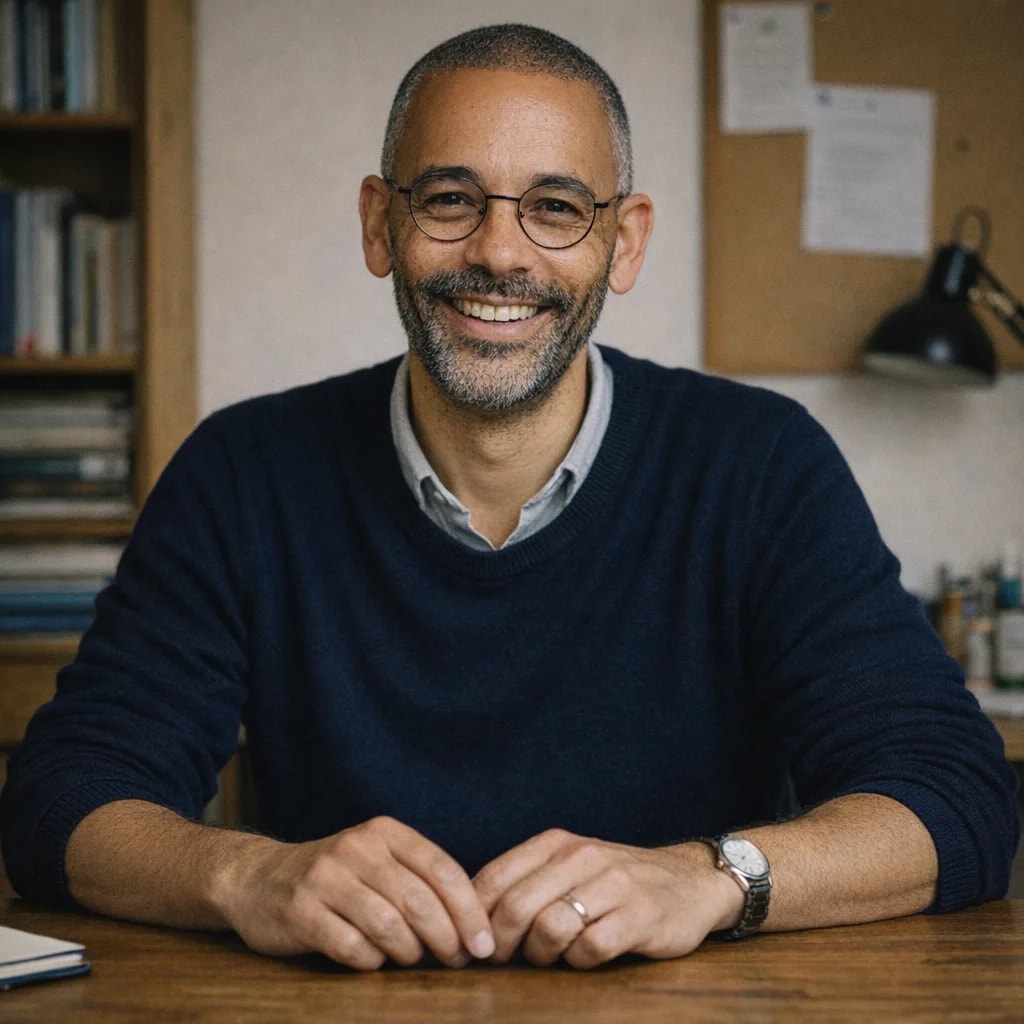
Callum Rhys Mahoney
Developmental Fiction Editor and Manuscript CoachI grew up between Wagga and my aunt’s place out near Narrandera, in a family that could argue for sport and then feed you like nothing happened. Books were around, but not in a precious way. My old man liked stories where people did what they said they’d do, even if it cost them. I still hear that voice when a character “can’t” make a decision because the plot needs another chapter. I didn’t set out to be an editor. I studied teaching, worked a few rough years in classrooms, and then left after a run of short contracts and one admin reshuffle that made it clear I was replaceable. A mate pulled me into doing learning materials and assessments because I could spot where people were gaming the question. That work taught me to watch for what the text rewards versus what it claims to reward - which is the same problem in a lot of manuscripts. I also spent a couple of seasons doing night shifts at a servo when money got tight. I kept a notebook behind the counter and wrote scenes between customers, mostly to stay awake. I remember one bloke coming in every Thursday, buying the same pie, and telling me the same story about a dog he swore was smarter than his ex. I don’t know why I remember that, but I do. Editing started as favour-work. People in town found out I’d read their drafts and I’d send back long emails with scene-by-scene notes. Somewhere along the line it became my paid work, mostly because I was consistent and because I’m not afraid to say, “This turn doesn’t belong to your protagonist.” I’m biased toward decisive characters and I don’t plan to cure myself of it; I’d rather a story risk an ugly choice than drift into polite inevitability.

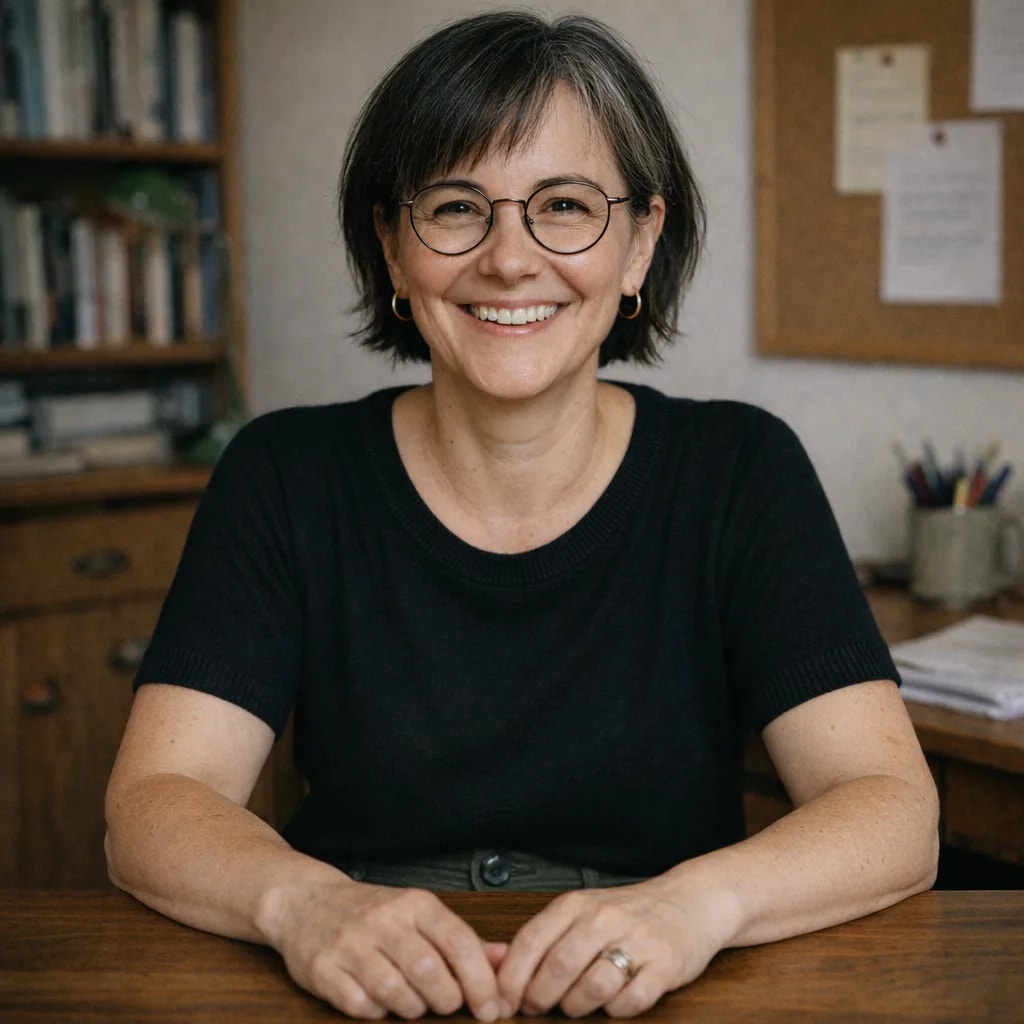
Danae Marcelline Brooks
Developmental Fiction Editor & Manuscript CoachI grew up between church basements, tidewater heat, and people who could tell a whole family story while stirring a pot and never looking up. My mom kept paperback romances in a shoebox like they were contraband, and my aunt kept a shelf of mystery novels with cracked spines. I read both. I learned early that readers forgive a lot, but they don’t forgive being bored or being lied to. I didn’t come up dreaming about editing. I wanted steadier work than “writer,” and I was the kid who could take notes fast, so I ended up in admin jobs where I got volunteered into fixing other people’s documents. Outside of that, I spent a couple years doing hair out of a friend’s kitchen. That part of my life doesn’t explain my editing, but it’s true: I still remember the sound of a cape snapping and how people tell you the most pointed truths when they think you’re not allowed to answer back. Sometimes I miss that kind of honesty. A storm took out power for a week when I was in my late twenties, and I agreed to help a neighbor organize a stack of workshop pages because there wasn’t much else to do at night. The pages were a mess, but the voice was alive. I wrote margin notes the way I talk, not the way school taught me, and the neighbor asked for more. That turned into being the person people handed drafts to. I still carry this old belief that if you “work hard enough,” the story will behave. I don’t defend it, but I catch myself acting like it’s true when I see a writer piling scenes on top of scenes. Now I’m a developmental editor because I’m impatient with pretty sentences that protect a story from making decisions. My bias is I’ll side-eye passive main characters harder than most editors will, even when the genre gives them excuses. I don’t correct that. It’s the lens I read through, and writers who want a gentler read should pick someone else. If you want a first reader who will point at the exact scene where your book starts dodging consequences, I’m your person.
Frequently Asked Questions
- What makes The Picture of Dorian Gray so compelling?
- Many readers assume it works because of the gothic gimmick of a changing portrait. The deeper pull comes from the book’s pressure system: Wilde gives Dorian a benefit (beauty without visible cost) and then makes every scene test whether he will cash in that benefit again. The opposition arrives through influence and reputation, not a mustache-twirling villain, so the conflict feels uncomfortably realistic. If you want the same compulsion in your work, track what the protagonist gets paid for each moral compromise and who quietly foots the bill.
- What themes are explored in The Picture of Dorian Gray?
- A common assumption says the theme equals “vanity is bad.” Wilde goes narrower and sharper: he examines how a culture of appearance turns ethics into aesthetics, and how language can launder selfishness into philosophy. He also interrogates influence, especially the way Lord Henry’s ideas give Dorian permission to treat people as experiences. Theme here doesn’t sit in narration; it sits in repeated choices and in what society rewards. When you write theme, you don’t need speeches—you need a pattern of consequences that readers can’t ignore.
- How do I write a book like The Picture of Dorian Gray?
- Writers often think they need ornate prose and a supernatural hook. Start instead with Wilde’s structure: a temptation, a bargain, and a private ledger that records the true cost while the public world applauds. Build a triangle of forces—a conscience, a corrupter, and an ego—and make each one love something different about the protagonist. Then escalate by tightening exposure: raise the risk of revelation, not just the risk of death. Draft with restraint: every stylish line must either seduce the hero further or corner them harder.
- How long is The Picture of Dorian Gray?
- People assume length determines depth, as if a short novel can’t carry big moral weight. Most editions run roughly 200–300 pages, depending on formatting and whether they use the 1890 magazine version or the 1891 expanded book version. Wilde uses compression on purpose: he jumps across time when he wants decay to feel cumulative, then lingers on decisive confrontations. For your own project, choose length based on how many meaningful “permission steps” your protagonist needs, not on what a genre checklist says you should hit.
- Is The Picture of Dorian Gray appropriate for younger readers?
- Many people treat “appropriate” as a simple content filter. The book includes sensuality, cruelty, addiction-adjacent vice, and suicide, but it presents much through implication and social euphemism rather than graphic description. The bigger issue for younger readers involves interpretation: Wilde makes temptation witty and glamorous before he shows the cost, which can confuse a reader who expects clear moral signposting. If you teach or recommend it, frame it as a study of influence and self-justification, and invite readers to track choices, not just events.
- How does Oscar Wilde use dialogue so effectively in The Picture of Dorian Gray?
- A common rule says good dialogue “sounds natural.” Wilde doesn’t chase naturalism; he chases effect. In Basil’s studio, Lord Henry’s polished provocations reshape the room’s moral temperature, and Dorian answers with increasing intensity as he adopts Henry’s lens. The dialogue works because it changes decisions: it doesn’t decorate the scene, it engineers the inciting bargain and later rationalizations. If you want this power, make each speaker pursue a goal in the conversation—admire, convert, accuse, or conceal—and judge the lines by the shift they cause.
About Oscar Wilde
Build a polite setup, then snap it with a late-turn epigram to make the reader laugh first and understand later.
Oscar Wilde wrote like a man polishing a dagger until it reflected your face. His pages run on a simple engine: state a social truth, flip it into a contradiction, then let the reader laugh before they realize they just agreed with something uncomfortable. He doesn't persuade by arguing. He persuades by making the clever response feel inevitable.
The technical trick isn't "being witty." It's controlling the setup. Wilde builds expectation with plain, almost proper phrasing, then turns the sentence at the last possible moment. The turn lands because the first half plays fair. He also stacks reversals: one epigram gives you a grin; three in a row builds a worldview that feels both elegant and faintly corrupting.
He treats conversation as a battlefield of status, not a delivery system for information. Characters talk to win, to hide, to bait, to redefine the terms. Meaning lives in what a line refuses to say. And he uses a light surface to smuggle heavy judgments about desire, hypocrisy, and the price of performing respectability.
Modern writers still need him because he shows how to make style do narrative labor. But imitating him breaks most drafts: people copy the sparkle and forget the scaffolding. Wilde revised obsessively, and you can feel it in the balance—every line sounds effortless because it has been engineered to sound inevitable. Study him for the mechanics of the turn, the management of charm, and the ruthless clarity beneath the lace.












Ready to improve your draft with direction?
Open Draftly, bring your draft, and move from stuck to a stronger draft without losing your voice. Editors are on standby when you want a deeper pass.
Free welcome credits included. No credit card needed.