Chargement
Nous préparons tout. Cela ne prendra pas longtemps.
Nous préparons tout. Cela ne prendra pas longtemps.
Write scenes that feel dangerous without gunfights: learn how The Time of the Hero builds pressure through shifting viewpoints, secrets, and moral debt.
Résumé et analyse littéraire de The Time of the Hero par Mario Vargas Llosa.
The Time of the Hero works because it treats a school as a war zone and then refuses to tell you a clean, comforting truth about it. The central dramatic question never becomes “Will someone get caught?” but “Can anyone tell the truth here without getting destroyed?” Vargas Llosa turns that question into an engine: every scene tests whether a character will protect the group’s code or their own conscience. If you imitate this book naively, you’ll copy the surface violence and miss the real weapon: social fear.
The setting does a lot of heavy lifting, so you should name it precisely if you borrow the mechanism. Vargas Llosa places you in mid-20th-century Lima, inside the Leoncio Prado Military Academy, where boys train to become men by learning to lie well, obey fast, and never look soft. The academy operates like a closed economy. Status replaces money. Humiliation replaces law. You can’t write this kind of story in a vague “tough school” and expect the same heat.
The inciting incident triggers when the cadets of “the Circle” steal a chemistry exam and then scramble to cover their tracks after the theft draws attention. This isn’t just a caper. The act forces each boy to choose a side, and that choice creates leverage. The key scene choice sits in the decision to participate and then to stay silent afterward, because silence becomes a contract. A lot of writers would call the theft “the plot.” Vargas Llosa uses it as the first drop of poison in a communal cup.
The protagonist isn’t a lone hero with a simple goal; the book rotates focus, but it repeatedly returns to Alberto Fernández, nicknamed “the Poet,” because he understands stories and uses them as currency. He writes pornographic letters for classmates, negotiates, observes, and calculates. His primary opposing force doesn’t wear one face. It takes the form of the academy’s code of complicity, enforced most sharply through figures like Jaguar, whose dominance depends on the group’s fear. You should notice the trick: the villain equals the system, and the system recruits teenagers as its agents.
Vargas Llosa escalates stakes by tightening the trap, not by inflating spectacle. After the exam theft, suspicion, punishment, and retaliations ripple through the dorms. The book keeps asking: who benefits if the truth stays buried? As soon as someone dies in connection to the cover-up, the story pivots from “school scandal” to “moral crime,” and every earlier compromise suddenly carries a price tag. If you try to imitate this escalation with bigger fights instead of deeper consequence, you’ll get noise, not dread.
Découvrez les éditeurs spécialisés dans des livres comme celui-ci et qui seraient ravis de travailler sur des projets similaires.
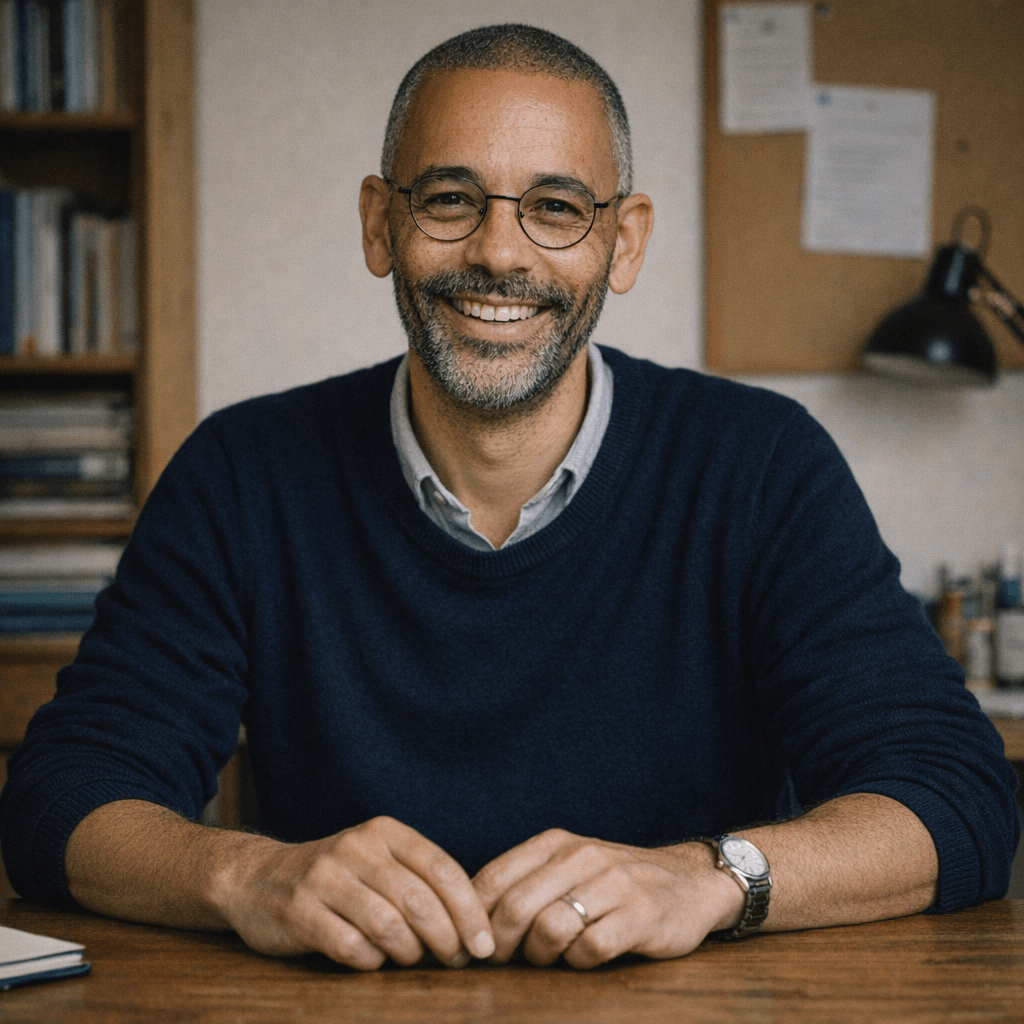
J’ai grandi entre Pont-l’Abbé et Quimperlé, dans une famille où l’on parlait peu des choses importantes. Mon père réparait des bateaux de pêche, ma mère tenait les comptes d’une petite entreprise de matériaux. Les histoires arrivaient par morceaux : une tante qui changeait de sujet, un voisin qui ne passait plus devant une maison, une photo retournée dans un tiroir. J’ai gardé cette manie de croire qu’un silence doit avoir une cause. Je sais que ce n’est pas toujours vrai. Je continue quand même à lire comme ça. Je n’ai pas prévu de travailler avec des manuscrits. J’ai fait de l’histoire, puis un stage aux archives municipales de Lorient parce qu’un autre étudiant s’était désisté. Je classais des dossiers d’urbanisme, des plaintes de voisinage, des lettres sèches envoyées trop tard. Ce qui m’a frappé, ce n’était pas le passé. C’était le moment précis où quelqu’un aurait pu agir autrement. Après ça, j’ai corrigé des dossiers pour une petite maison associative, puis des romans pour des auteurs qui n’avaient pas d’éditeur. Le loyer décidait souvent plus que moi. Pendant deux ans, j’ai aussi travaillé trois soirs par semaine à l’accueil d’une salle d’escalade. Ça ne m’a pas rendu meilleur éditeur, je crois. Je vérifiais des abonnements, je nettoyais des prises, je regardais des gens s’énerver contre un mur jaune. J’aimais la craie sur les mains et le bruit sourd des chutes sur les tapis. Je repense encore à un habitué qui recommençait toujours la même voie sans changer de méthode. Je ne sais pas pourquoi ce souvenir reste là. Aujourd’hui, je lis surtout des romans, des novellas et des nouvelles où les personnages prétendent ne pas choisir. Je suis utile quand une intrigue perd sa colonne vertébrale, quand un secret remplace une décision, quand le climax arrive parce que le plan l’exige. Mon biais est net : je supporte mal les protagonistes longtemps passifs, même quand cette passivité est fine ou réaliste. Je le sais. Je ne corrige pas vraiment ce biais, parce qu’il protège souvent le lecteur contre l’ennui poli.
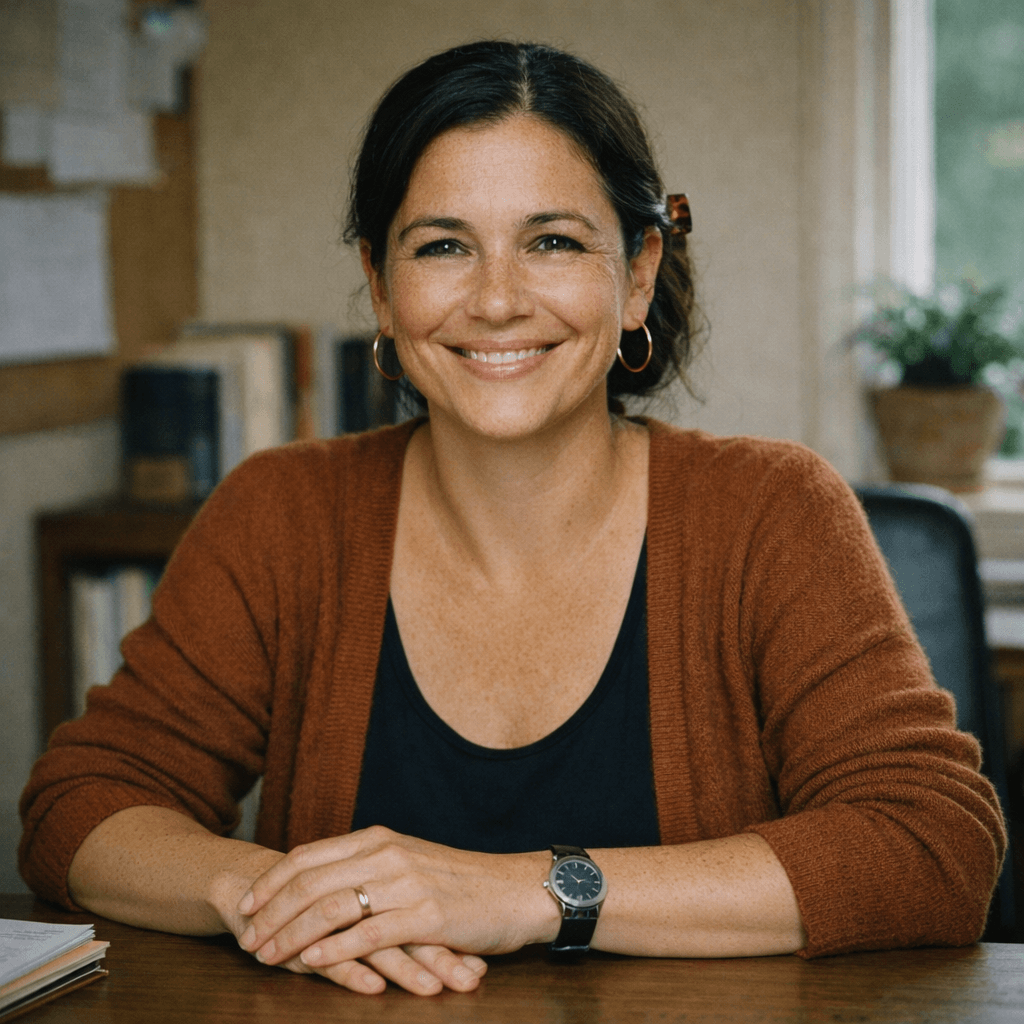
Je suis née à Bourges, dans une famille où l’on parlait peu des livres mais beaucoup des factures, des repas et des voisins. Mon père réparait des machines agricoles. Ma mère tenait les comptes d’une petite entreprise de menuiserie. On ne m’a pas élevée dans l’idée que les histoires sauvaient quoi que ce soit. Pourtant, le dimanche soir, je lisais dans le couloir, assise contre le radiateur, parce que ma chambre était trop froide et que le salon appartenait à la télévision. J’ai d’abord travaillé dans une bibliothèque municipale, puis dans une librairie à Orléans, et je suis arrivée en Belgique après une séparation que je n’avais pas prévue. Le poste à Tournai était temporaire. Je devais rester six mois. J’y suis encore. Une éditrice locale m’a demandé un jour de lire un manuscrit parce que sa lectrice habituelle était malade. J’ai rendu douze pages de notes sur les décisions du personnage principal au lieu de corriger les adjectifs. Elle m’a rappelée. Pendant trois ans, j’ai aussi tenu la caisse d’une petite salle de cinéma. Ce n’était pas glorieux. Je vendais des tickets, je vérifiais les réservations, je ramassais des gobelets après les séances tardives. Je ne sais pas si cela m’a rendue meilleure lectrice. Je me souviens surtout d’un vieil homme qui venait tous les jeudis, même pour les mauvais films, et qui disait toujours : « Au moins, ils ont essayé. » Je n’ai jamais su si je trouvais ça tendre ou lâche. Aujourd’hui, je travaille surtout avec des romanciers qui ont déjà une matière vivante mais pas encore une colonne vertébrale. Je suis bonne pour repérer les scènes qui décorent au lieu de modifier le cours du récit. Je suis moins patiente avec les textes très atmosphériques où rien ne se décide pendant longtemps. Je le sais, et je ne corrige pas vraiment ce biais. Je préfère le nommer tôt. Si un manuscrit me demande d’attendre cent pages avant qu’un personnage agisse, je vais probablement résister.
Questions courantes sur l'écriture d'un livre comme The Time of the Hero.
Cut between viewpoints at the moment of highest pressure to make the reader supply the missing truth—and keep reading to confirm it.
Mario Vargas Llosa builds novels the way a courtroom builds a case: not by telling you what to think, but by controlling what you can know, when you can know it, and who gets to speak first. His pages run on engineered collision—public stories versus private motives, ideals versus appetites, the official version versus the version that leaks out in gossip, memory, and shame. You don’t read him in a straight line; you get drafted into an argument where the evidence keeps changing shape.
His core craft move looks simple until you try it: he fractures chronology and point of view without losing narrative authority. He cuts between scenes mid-thought, stitches dialogue to interior commentary, and lets the same event appear through competing accounts. The effect is psychological pressure. You feel smart for keeping up, then uneasy when you realize your certainty came from a viewpoint he quietly rigged.
The technical difficulty isn’t “complex structure” in the abstract. It’s continuity of causality. Vargas Llosa can jump time, switch heads, and still make each beat land because every scene advances a power contest—someone wants something, someone resists, and the social machine grinds on. He uses clarity at the sentence level to earn complexity at the story level.
Writers still need him because modern fiction often mistakes intensity for noise. He proves you can write politically and still seduce; you can run a big cast and still feel intimate; you can build a maze and still deliver clean emotional exits. He worked with discipline—planned structures, long drafting sessions, and heavy revision—because this kind of control doesn’t appear by “finding the voice.” You design it, then you sand it until the joins disappear.
Ouvrez Draftly, apportez votre brouillon, et passez du blocage à un texte plus solide sans perdre votre voix. Des éditeurs sont disponibles quand vous souhaitez un regard plus approfondi.
🤑 Crédits de bienvenue offerts inclus. Aucune carte bancaire requise.Structurally, he builds pressure through fractured chronology and viewpoint shifts that withhold context, then snap it into place later. That technique doesn’t exist to look clever. It forces you to experience the academy the way a cadet does: you rarely get the full story, you hear rumors, you infer motives, and you discover too late what your silence funded. The book’s power comes from delayed clarity. If you copy the fragmentation without controlling what the reader knows and when, you’ll produce confusion instead of compulsion.
The endgame doesn’t reward “courage” the way a workshop cliché would. Alberto tries to tell the truth through official channels, and the institution applies its real curriculum: contain the damage, protect the façade, sacrifice the expendable. The climax lands because it answers the dramatic question with a bitter lesson. Truth exists, but power decides whether truth matters. A lesser novel would let a single confession cleanse the world. This one shows you how a world stays dirty.
So the real blueprint looks like this: trap characters inside a social machine, make a small wrongdoing create shared liability, then use shifting perspectives to show how that liability deforms everyone differently. Vargas Llosa doesn’t write “about” corruption; he engineers a situation where corruption feels like the safest choice in the moment. That’s the engine you can reuse today, in any setting where belonging costs more than honesty.
Structure narrative et arc émotionnel dans The Time of the Hero.
The emotional trajectory fits a bruising Man-in-a-Hole that refuses to climb all the way out. Alberto starts as a clever adapter who thinks words can buy safety; he ends with sharper moral vision but less faith in the systems that claim to reward it. He doesn’t transform into a triumphant whistleblower. He transforms into someone who understands the price of speaking.
Key sentiment shifts hit because Vargas Llosa alternates dominance and vulnerability across boys who all pretend they feel nothing. Early scenes give the academy a crude, almost comic swagger, then the story yanks that swagger into dread once a cover-up demands real sacrifice. The low points land with force because the book frames them as choices the characters make, not accidents that happen. The climax stings because it replaces the hope of justice with the reality of containment, and you feel the institution keep breathing after an individual moral act fails to stop it.
Ce que les écrivains peuvent apprendre de Mario Vargas Llosa dans The Time of the Hero.
Vargas Llosa builds credibility through texture, not explanation. He plants you in specific rooms and routines at Leoncio Prado—dormitories, drills, punishments, the smell of sweat and fear—and he lets those physical facts dictate behavior. You don’t “learn” that violence rules the school because a narrator tells you; you watch boys calibrate every sentence to avoid humiliation. Modern writers often shortcut this with a single bully scene and a paragraph of backstory. This novel earns the atmosphere by making it operational in every interaction.
He also weaponizes structure. He fractures chronology, switches viewpoints, and drops you into scenes mid-motion, then trusts you to assemble the truth the way the cadets do: through partial information and rumor. That choice turns form into meaning. You feel complicit when you misjudge someone early and only later learn what corner they lived in. Many contemporary novels use multiple POV as a fairness device—everyone gets a chapter, everyone gets understood. Vargas Llosa uses it as a pressure device—everyone gets exposed, and understanding arrives too late to prevent damage.
Watch how he handles dialogue as dominance, not “voice.” When Jaguar confronts Alberto, the exchange doesn’t read like witty banter or clean exposition. Jaguar tests boundaries with threats and insinuations; Alberto parries with half-truths, jokes, and strategic retreats. Each line changes the power balance in the room. That’s the craft lesson: dialogue should perform the conflict, not describe it. A common modern oversimplification treats dialogue like a transcript of information. Here, dialogue works like a knife fight where nobody wants to be seen holding the blade.
And he refuses the comforting moral geometry of clean heroes and villains. Alberto writes letters and bargains; Jaguar intimidates and also obeys his own warped code; officers protect the institution more than the boys. Vargas Llosa doesn’t excuse anyone, but he does show the incentives that make cruelty feel like survival. Writers who imitate only the harshness end up preaching. Writers who imitate the incentives can make readers feel the trap closing and still care about the people inside it.
Conseils d'écriture inspirés de The Time of the Hero par Mario Vargas Llosa.
Write with a disciplined brutality. Don’t decorate the prose to prove you can. Vargas Llosa keeps the language concrete, then lets structure and subtext generate complexity. You should do the same. If you want a “literary” effect, earn it through selection and placement, not through fancy phrasing. Use scene entries that arrive late, so the reader must orient fast, but then reward them with crisp physical cues and clear intention. Confusion never counts as depth. It just counts as unpaid labor.
Build characters as negotiations with a system, not as bundles of traits. Alberto doesn’t just feel guilty; he calculates what guilt costs him in status, safety, and belonging. Jaguar doesn’t just act violent; he protects a hierarchy that protects him. Give each major character a private economy: what they trade, what they hoard, what they fear losing. Then force transactions. Don’t wait for a “character moment.” Make every scene a bid for position, and let the reader track the shifting price of loyalty.
Avoid the genre trap of making the institution a cartoon villain. This story works because the academy doesn’t need a mustache-twirler; it runs on procedures, image-management, and the quiet agreement that boys should absorb the damage. If you write a similar book and rely on one sadistic officer to carry the menace, you shrink the theme into a personal grudge. Spread the harm across normal people doing their jobs, friends protecting friends, and victims enforcing the code on newer victims. That’s how dread becomes believable.
Try this exercise. Write one pivotal incident of wrongdoing in a closed community: a theft, a hazing, a lie that “protects” the group. Draft it three times from three characters with different stakes, and shift the timeline so the second version reveals a detail that redefines the first. In each version, include one line of dialogue that functions as a threat without stating a threat. Then write a fourth scene where an honest character tries to report the truth to an authority, and let the authority solve the problem by protecting the institution, not the victim.

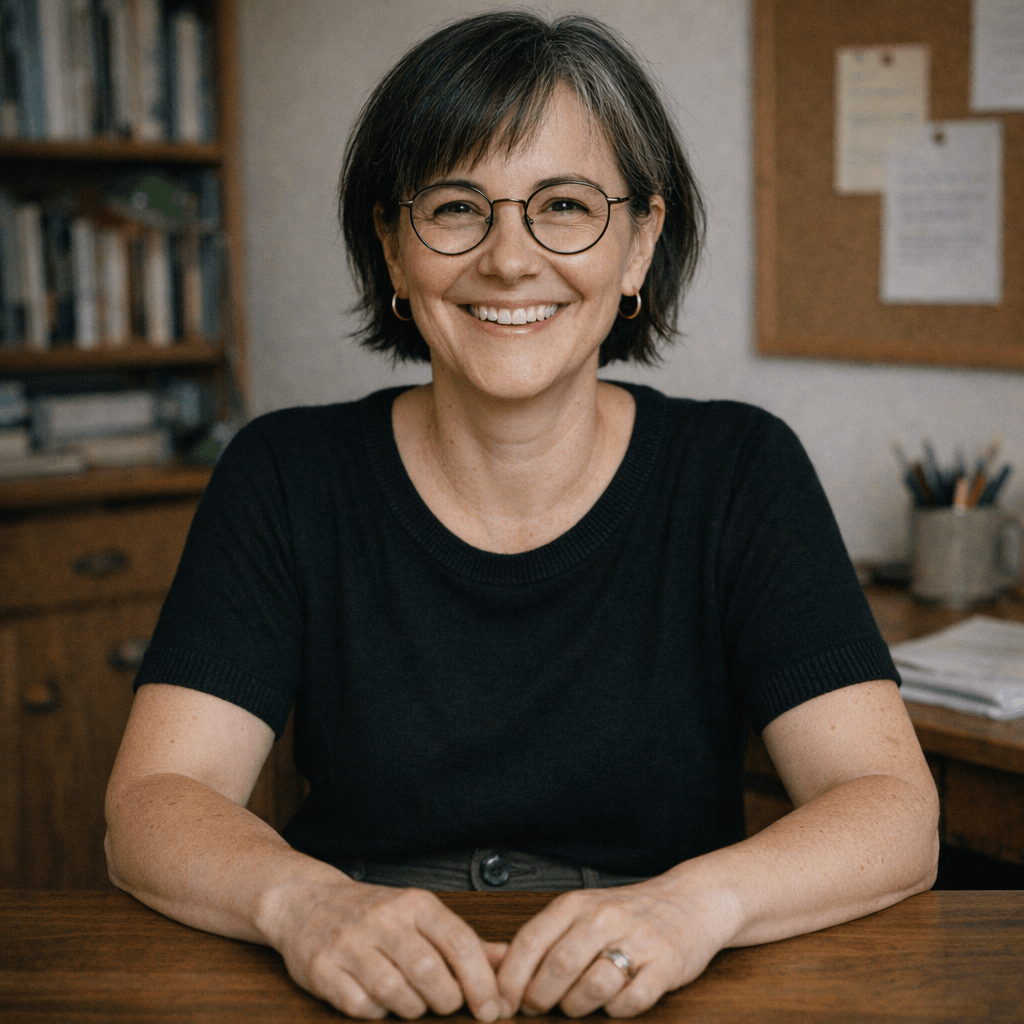
Je viens d’une petite ville près de la plage, dans le sud de la France, entre les pins, les façades claires et les serviettes qui sèchent sur les balcons. Enfant, je lisais sur le sable avec les genoux pleins de crème solaire et je détestais quand les adultes disaient qu’une histoire était belle parce qu’elle finissait bien. Je voulais savoir pourquoi elle finissait comme ça. Ma grand-mère disait souvent qu’une fille raisonnable ne réclame pas la place du conducteur. Je ne suis pas d’accord avec elle. Pourtant, quand je lis une scène, je remarque encore qui tient le volant. Je n’ai pas choisi ce métier avec une grande vision. À dix-neuf ans, je travaillais l’été dans une librairie de bord de mer parce que la propriétaire connaissait ma mère et avait besoin de quelqu’un tout de suite. J’emballais des polars, je rangeais des romances cornées, je souriais aux touristes qui demandaient un roman pas trop triste. Une cliente revenait chaque semaine avec un manuscrit imprimé dans un sac de plage. Elle me faisait lire dix pages pendant ma pause. Je ne corrigeais pas les phrases. Je lui disais où je ne croyais plus au personnage. Plus tard, j’ai suivi un amoureux à Montréal, puis je suis restée au Québec après la rupture parce que le bail était à mon nom et que je n’avais pas l’énergie de tout refaire. J’ai fait de la bêta-lecture pour des autrices francophones, puis de l’accompagnement narratif pour des manuscrits qui avaient de jolies scènes mais aucun vrai basculement. À force, j’ai compris que je lis vite la promesse d’un roman. Je vois assez tôt quand une scène existe seulement parce que l’auteur aime son décor, sa repartie ou son atmosphère. Je vis maintenant à Rimouski, où le fleuve me donne l’impression d’une mer qui réfléchit avant de parler. Je suis bonne pour repérer les choix absents, les enjeux qui se réinitialisent et les fins qui demandent au lecteur de pardonner trop vite. Mon biais, je le connais : je fais moins confiance aux récits très contemplatifs qui refusent l’action nette. Je pourrais corriger ça. Je ne le fais pas vraiment. Si un personnage ne choisit jamais, je finis par lire le silence comme une esquive.
Déposez votre brouillon dans Draftly. Corrigez scènes et dialogues directement dans le texte—pas dans un autre onglet. Quand vous voulez un retour plus approfondi, des éditeurs IA sont prêts.
🤑 Crédits de bienvenue offerts. Aucune carte bancaire requise.