Chargement
Nous préparons tout. Cela ne prendra pas longtemps.
Nous préparons tout. Cela ne prendra pas longtemps.
Write a novel that feels bigger than its plot—by learning Bolaño’s engine: how to turn witnesses, rumor, and absence into relentless narrative momentum.
Résumé et analyse littéraire de The Savage Detectives par Roberto Bolaño.
The Savage Detectives works because it treats story like an investigation with missing evidence, not like a straight line with a neat payoff. The central dramatic question never asks “Will the hero win?” It asks “Who were these people really—and what did they do to everyone who met them?” You keep reading because each new account changes the shape of the last one. Bolaño makes absence do the heavy lifting: the more you can’t pin Belano and Lima down, the more force they generate.
The inciting incident sits in Mexico City, 1975–76, inside cafés, apartments, and poetry readings where young writers posture, feud, and recruit. Juan García Madero, a teen diarist, joins the “visceral realists,” and he doesn’t just join a group—he adopts a way of seeing. He starts naming names, tallying quarrels, recording sexual bravado, and taking poetry seriously enough to ruin his life for it. If you imitate this book naïvely, you’ll copy the bohemian chatter and miss the real inciting mechanism: the moment the narrator binds himself to a cause that demands action, not vibes.
The protagonist role splits. On the surface, García Madero anchors the opening and closing through his diary. In the broader architecture, Arturo Belano and Ulises Lima function as the gravitational center: the protagonists you rarely get direct access to, the ones everyone else orbits. The primary opposing force looks like “society” at first—poverty, authority, literary gatekeepers—but the true antagonist acts more specific: time plus the characters’ own hunger for myth. Every year that passes turns their choices into legend, and legend fights back against truth.
Bolaño escalates stakes by widening the lens instead of raising the body count. After the early Mexico City sections establish appetite and allegiance, the book detonates into a long relay of testimonies spanning continents and decades: Barcelona, Paris, Tel Aviv, Vienna, Managua, the Sonoran Desert. Each witness carries a private stake—love, resentment, debt, envy, gratitude—and each stake pressures the reader’s understanding of Belano/Lima. The “plot” becomes: watch how a small movement of poets leaves wreckage, inspiration, and confusion across a whole generation.
The structure runs on a simple pressure system: a quest you can state plainly, and a method that refuses to deliver it cleanly. The characters chase Cesárea Tinajero, an elusive poet tied to their movement’s origin myth. Bolaño turns that chase into a test of devotion. Who will cross a city at night, skip work, sleep on floors, risk violence, and keep believing? The quest gives you direction; the chorus of voices gives you friction.
Découvrez les éditeurs spécialisés dans des livres comme celui-ci et qui seraient ravis de travailler sur des projets similaires.
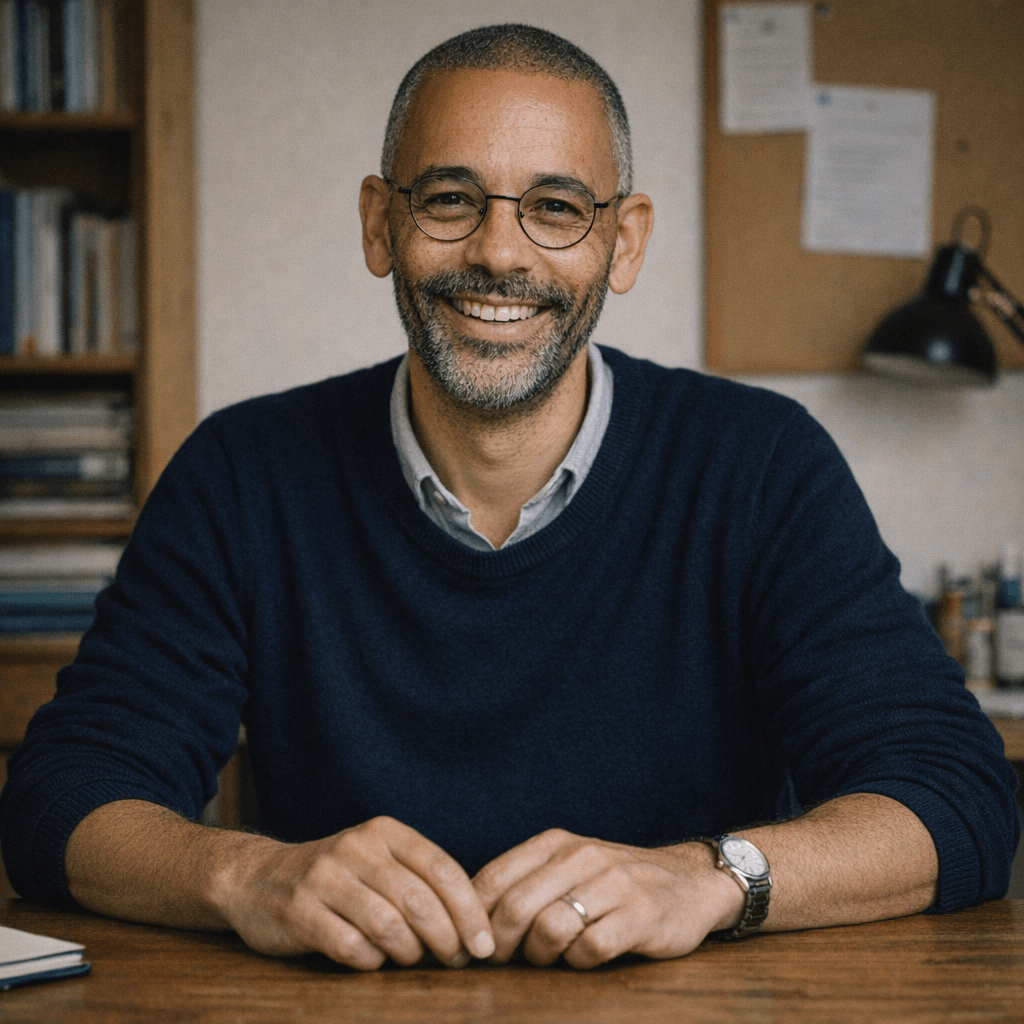
J’ai grandi entre Pont-l’Abbé et Quimperlé, dans une famille où l’on parlait peu des choses importantes. Mon père réparait des bateaux de pêche, ma mère tenait les comptes d’une petite entreprise de matériaux. Les histoires arrivaient par morceaux : une tante qui changeait de sujet, un voisin qui ne passait plus devant une maison, une photo retournée dans un tiroir. J’ai gardé cette manie de croire qu’un silence doit avoir une cause. Je sais que ce n’est pas toujours vrai. Je continue quand même à lire comme ça. Je n’ai pas prévu de travailler avec des manuscrits. J’ai fait de l’histoire, puis un stage aux archives municipales de Lorient parce qu’un autre étudiant s’était désisté. Je classais des dossiers d’urbanisme, des plaintes de voisinage, des lettres sèches envoyées trop tard. Ce qui m’a frappé, ce n’était pas le passé. C’était le moment précis où quelqu’un aurait pu agir autrement. Après ça, j’ai corrigé des dossiers pour une petite maison associative, puis des romans pour des auteurs qui n’avaient pas d’éditeur. Le loyer décidait souvent plus que moi. Pendant deux ans, j’ai aussi travaillé trois soirs par semaine à l’accueil d’une salle d’escalade. Ça ne m’a pas rendu meilleur éditeur, je crois. Je vérifiais des abonnements, je nettoyais des prises, je regardais des gens s’énerver contre un mur jaune. J’aimais la craie sur les mains et le bruit sourd des chutes sur les tapis. Je repense encore à un habitué qui recommençait toujours la même voie sans changer de méthode. Je ne sais pas pourquoi ce souvenir reste là. Aujourd’hui, je lis surtout des romans, des novellas et des nouvelles où les personnages prétendent ne pas choisir. Je suis utile quand une intrigue perd sa colonne vertébrale, quand un secret remplace une décision, quand le climax arrive parce que le plan l’exige. Mon biais est net : je supporte mal les protagonistes longtemps passifs, même quand cette passivité est fine ou réaliste. Je le sais. Je ne corrige pas vraiment ce biais, parce qu’il protège souvent le lecteur contre l’ennui poli.
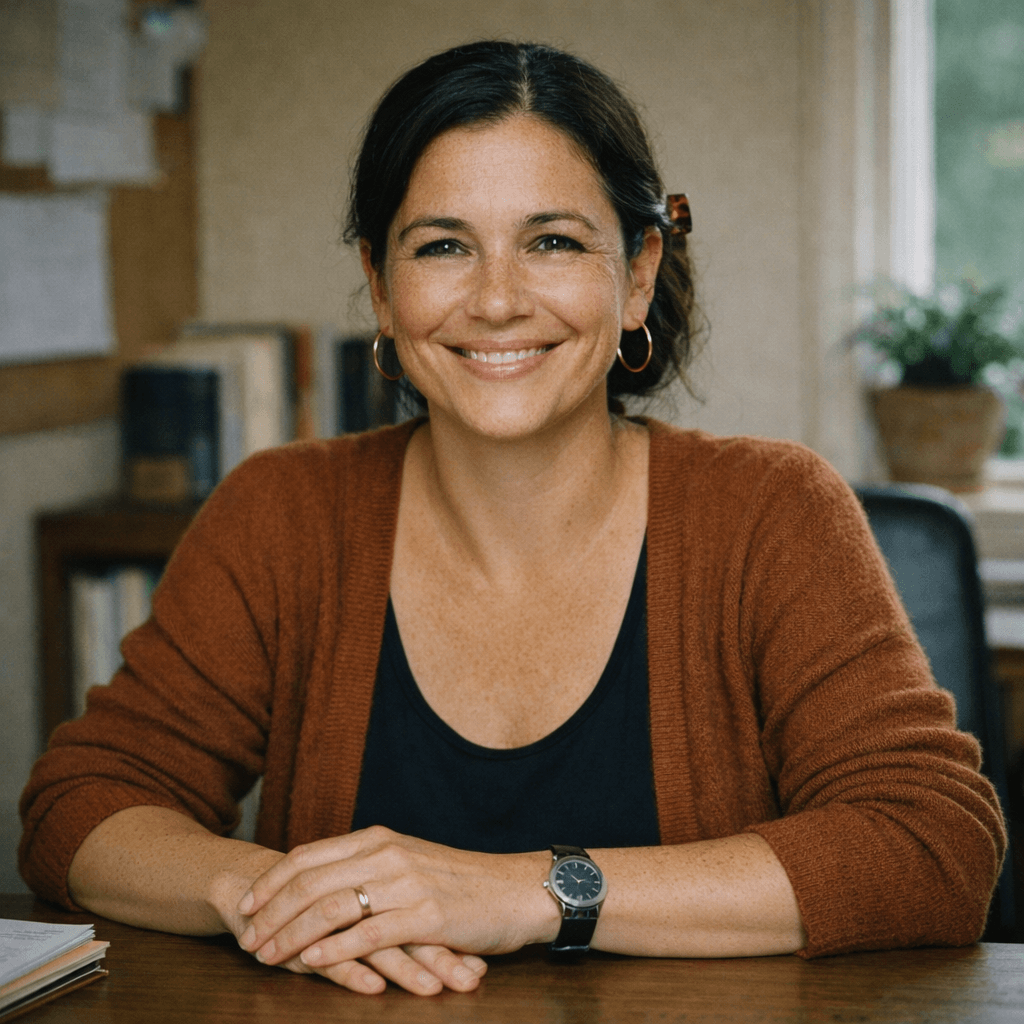
Je suis née à Bourges, dans une famille où l’on parlait peu des livres mais beaucoup des factures, des repas et des voisins. Mon père réparait des machines agricoles. Ma mère tenait les comptes d’une petite entreprise de menuiserie. On ne m’a pas élevée dans l’idée que les histoires sauvaient quoi que ce soit. Pourtant, le dimanche soir, je lisais dans le couloir, assise contre le radiateur, parce que ma chambre était trop froide et que le salon appartenait à la télévision. J’ai d’abord travaillé dans une bibliothèque municipale, puis dans une librairie à Orléans, et je suis arrivée en Belgique après une séparation que je n’avais pas prévue. Le poste à Tournai était temporaire. Je devais rester six mois. J’y suis encore. Une éditrice locale m’a demandé un jour de lire un manuscrit parce que sa lectrice habituelle était malade. J’ai rendu douze pages de notes sur les décisions du personnage principal au lieu de corriger les adjectifs. Elle m’a rappelée. Pendant trois ans, j’ai aussi tenu la caisse d’une petite salle de cinéma. Ce n’était pas glorieux. Je vendais des tickets, je vérifiais les réservations, je ramassais des gobelets après les séances tardives. Je ne sais pas si cela m’a rendue meilleure lectrice. Je me souviens surtout d’un vieil homme qui venait tous les jeudis, même pour les mauvais films, et qui disait toujours : « Au moins, ils ont essayé. » Je n’ai jamais su si je trouvais ça tendre ou lâche. Aujourd’hui, je travaille surtout avec des romanciers qui ont déjà une matière vivante mais pas encore une colonne vertébrale. Je suis bonne pour repérer les scènes qui décorent au lieu de modifier le cours du récit. Je suis moins patiente avec les textes très atmosphériques où rien ne se décide pendant longtemps. Je le sais, et je ne corrige pas vraiment ce biais. Je préfère le nommer tôt. Si un manuscrit me demande d’attendre cent pages avant qu’un personnage agisse, je vais probablement résister.
Questions courantes sur l'écriture d'un livre comme The Savage Detectives.
Use witness-style narration (testimony, lists, reports) to create credibility fast—then withhold the motive so the reader supplies the dread.
Roberto Bolaño writes like an investigator who refuses to solve the case. He builds meaning by stacking testimonies, rumors, letters, travel anecdotes, and half-remembered scenes until the reader starts doing the joining-up. The trick is not “mystery.” It’s delegated attention: he makes you notice what the characters refuse to name, then he leaves you alone with it.
His engine runs on drift with purpose. He lets scenes wander through bookstores, cheap rooms, deserts, bars, and conversations that feel offhand—then he locks in a detail that changes the temperature. The reader’s psychology flips from relaxed to alert because the narration acts casual while the stakes keep creeping up.
The technical difficulty hides in the balance. Bolaño keeps a plain surface and an unstable structure: long stretches of report-like calm, sudden lyric spikes, and hard cuts that pretend they aren’t cuts. He also knows when to withhold the “why.” He offers credible specificity (names, dates, jobs, addresses) so you’ll accept spiritual uncertainty.
Modern writers need him because he proved you can write big moral novels without tidy moral math. He showed how to make a story feel like a continent: partially mapped, full of dead ends, and still compulsive. His drafting approach often favored accumulation—writing outward, collecting fragments—then revising by arrangement: what to place next, what to omit, and where to stop so the silence keeps working after the last line.
Ouvrez Draftly, apportez votre brouillon, et passez du blocage à un texte plus solide sans perdre votre voix. Des éditeurs sont disponibles quand vous souhaitez un regard plus approfondi.
🤑 Crédits de bienvenue offerts inclus. Aucune carte bancaire requise.The climax doesn’t land because it “resolves the mystery.” It lands because it forces the book’s two modes—youthful immediacy and adult recollection—into contact. When the story reaches the desert and the pursuit turns physical, you feel how the earlier talk and theory always carried a blade inside it. Then the ending refuses the comfort of tidy meaning. Bolaño makes you accept a writer’s hardest lesson: some stories end with a shape, not an answer.
Here’s the common mistake: writers try to copy the fragmented interviews and think fragmentation equals depth. It doesn’t. Bolaño earns fragmentation by giving every speaker a motive, a social position, and a private angle on the central absence. Each voice advances the investigation while betraying the witness. If your fragments don’t change the reader’s understanding of the core figures, you don’t have a mosaic. You have a pile of postcards.
Under pressure, the novel proves you can build suspense without hiding “twists.” You reveal everything—sex, failures, petty rivalries, embarrassing ambition—and still create compulsion because you make identity the mystery. You don’t ask “What happened next?” You ask “What kind of person does that?” And you let the answers contradict each other until the reader starts doing the work a real editor wants: interpreting, weighing, doubting, deciding.
Structure narrative et arc émotionnel dans The Savage Detectives.
The emotional trajectory runs as a subversive Man-in-a-Hole that keeps changing who counts as “the man.” García Madero starts intoxicated by belonging—young, eager, convinced art will fix his life. By the end, the book leaves you with motion instead of closure: the protagonists keep moving, and the emotional state shifts from certainty to a lucid, bruised ambiguity.
Key sentiment shifts hit because Bolaño stacks intimacy against distance. The diary sections give you heat, appetite, and immediate consequence; the testimony section cools everything into memory, damage reports, and nostalgia with teeth. The low points land when witnesses reveal how charisma curdles into neglect, and how “freedom” often means someone else pays. The climactic desert sequence spikes force because the book finally converts years of talk into physical risk, then refuses to hand you a moral that would make the pain feel useful.
Ce que les écrivains peuvent apprendre de Roberto Bolaño dans The Savage Detectives.
Bolaño shows you how to make structure out of testimony. He doesn’t write “multiple POV” the way a lot of modern novels do, where each voice carries equal authority and the author quietly arranges them into a single, correct meaning. He writes witnesses who talk to protect themselves, impress the listener, settle scores, or finally confess. That motive gives every monologue a hook. You don’t read to collect facts; you read to watch people reveal themselves while they pretend they talk about someone else.
He also uses a missing center as a propulsion system. Belano and Lima rarely explain themselves directly, so every speaker projects onto them: saint, parasite, genius, coward, brother. That projection creates a living argument on the page. You can reuse this engine right now: pick one figure who refuses to “clarify,” then force a rotating cast to define them—and contradict each other—under social pressure. The book keeps its promises by delivering constant redefinition, not constant plot.
Pay attention to how he handles dialogue as status combat, not information transfer. When García Madero sits with older poets and gatekeepers, they don’t “discuss literature.” They fence. They test his seriousness, his vocabulary, his sexual confidence, his willingness to be humiliated for admission. And when Belano and Lima confront the establishment poet Octavio Paz’s shadow (and the scene that venerates it), Bolaño frames the exchange as a fight over who gets to name reality. If you write scene dialogue as friendly explanation, you kill this book’s voltage.
He builds atmosphere through specific rooms and routes, not through mood paragraphs. You smell Mexico City through cramped apartments, late-night cafés, cheap drinks, the walk between readings, the sudden drop into the Sonoran Desert’s indifferent space. That concreteness keeps the book from floating off into “bohemian” wallpaper. A common shortcut today replaces lived geography with aesthetic tags—playlist energy, vibes, “found family” banter. Bolaño does the opposite: he lets place constrain behavior, and he lets behavior expose character, even when it makes the characters look ridiculous.
Conseils d'écriture inspirés de The Savage Detectives par Roberto Bolaño.
Control your voice like you control temperature. This book sounds loose, but Bolaño calibrates each voice to a social class, an education level, and a private wound. If you want the effect, stop chasing “cool” lines and start chasing credibility. Give each narrator a tell: what they over-explain, what they refuse to name, what they brag about to cover fear. Then keep the sentences clean. You can sound wild without writing sloppy.
Build characters by designing their orbit, not their backstory. Belano and Lima work because other people can’t stop talking about them, and because those descriptions expose the speaker’s needs. If you try to imitate the novel by inventing a hundred quirky witnesses, you’ll drown. Instead, cast witnesses with opposing stakes: the lover, the rival, the student, the benefactor, the victim, the hanger-on. Make each one answer the same question about your central figures, and force the answers to clash.
Avoid the genre trap of “fragmentation as camouflage.” A lot of literary quest novels hide thin plotting behind stylish discontinuity. Bolaño avoids that by keeping a hard spine: a specific origin myth, a specific search, and a timeline that keeps grinding forward even when the book jumps. If you can’t state your quest in one sentence and name what your characters sacrifice to pursue it, your fragments won’t feel mysterious. They’ll feel evasive.
Run this exercise for two weeks. Invent a legendary pair in your own scene and refuse to let them narrate. Write ten testimonies of 600–900 words each from people who met them in different cities and years. Give each witness a private reason to distort the truth. In every piece, include one concrete object that proves the meeting happened and one line that accidentally reveals the witness’s self-interest. After the tenth, write a short diary entry from a naïve newcomer who decides to join the myth anyway.

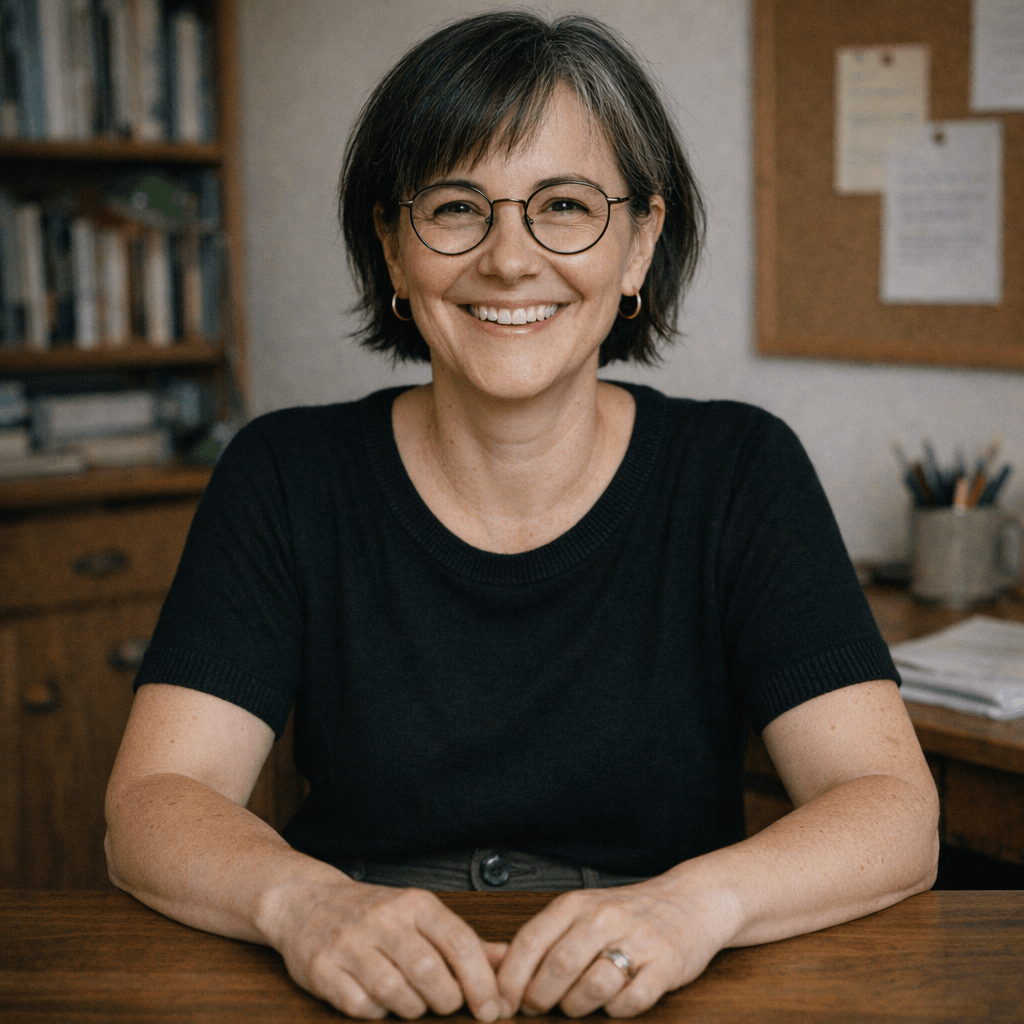
Je viens d’une petite ville près de la plage, dans le sud de la France, entre les pins, les façades claires et les serviettes qui sèchent sur les balcons. Enfant, je lisais sur le sable avec les genoux pleins de crème solaire et je détestais quand les adultes disaient qu’une histoire était belle parce qu’elle finissait bien. Je voulais savoir pourquoi elle finissait comme ça. Ma grand-mère disait souvent qu’une fille raisonnable ne réclame pas la place du conducteur. Je ne suis pas d’accord avec elle. Pourtant, quand je lis une scène, je remarque encore qui tient le volant. Je n’ai pas choisi ce métier avec une grande vision. À dix-neuf ans, je travaillais l’été dans une librairie de bord de mer parce que la propriétaire connaissait ma mère et avait besoin de quelqu’un tout de suite. J’emballais des polars, je rangeais des romances cornées, je souriais aux touristes qui demandaient un roman pas trop triste. Une cliente revenait chaque semaine avec un manuscrit imprimé dans un sac de plage. Elle me faisait lire dix pages pendant ma pause. Je ne corrigeais pas les phrases. Je lui disais où je ne croyais plus au personnage. Plus tard, j’ai suivi un amoureux à Montréal, puis je suis restée au Québec après la rupture parce que le bail était à mon nom et que je n’avais pas l’énergie de tout refaire. J’ai fait de la bêta-lecture pour des autrices francophones, puis de l’accompagnement narratif pour des manuscrits qui avaient de jolies scènes mais aucun vrai basculement. À force, j’ai compris que je lis vite la promesse d’un roman. Je vois assez tôt quand une scène existe seulement parce que l’auteur aime son décor, sa repartie ou son atmosphère. Je vis maintenant à Rimouski, où le fleuve me donne l’impression d’une mer qui réfléchit avant de parler. Je suis bonne pour repérer les choix absents, les enjeux qui se réinitialisent et les fins qui demandent au lecteur de pardonner trop vite. Mon biais, je le connais : je fais moins confiance aux récits très contemplatifs qui refusent l’action nette. Je pourrais corriger ça. Je ne le fais pas vraiment. Si un personnage ne choisit jamais, je finis par lire le silence comme une esquive.

Déposez votre brouillon dans Draftly. Corrigez scènes et dialogues directement dans le texte—pas dans un autre onglet. Quand vous voulez un retour plus approfondi, des éditeurs IA sont prêts.
🤑 Crédits de bienvenue offerts. Aucune carte bancaire requise.