Caricamento
Stiamo preparando tutto. Non ci vorrà molto.
Stiamo preparando tutto. Non ci vorrà molto.
Write temptation that actually bites: steal Wilde’s engine for turning a pretty premise into escalating moral pressure that wrecks a character on the page.
Trama del libro e analisi della scrittura di The Picture of Dorian Gray di Oscar Wilde.
The Picture of Dorian Gray works because it asks a single cruel question and refuses to let you dodge it: if you could keep your beauty and reputation spotless while your sins showed up somewhere else, how far would you go? Wilde frames that as a moral thriller disguised as a comedy of manners. You watch a young man learn to treat consequences as optional. The book keeps you reading because it makes you complicit, then punishes the fantasy.
You will copy it badly if you think the trick equals “a magical portrait.” The engine sits in the triangle: Dorian Gray (the impressionable ego), Lord Henry Wotton (the intellectual corrupter), and Basil Hallward (the conscience who loves what he created). Wilde stages them inside late-Victorian London’s drawing rooms, studios, and theatres, where reputation functions like currency. That setting matters. In a world obsessed with appearances, Wilde can turn appearance into literal plot.
The central dramatic question locks in early: will Dorian choose a life of sensation without paying for it, and can he keep the bill hidden? The inciting incident doesn’t happen when Basil paints the portrait. It happens in Basil’s studio when Lord Henry’s talk about youth and pleasure hits Dorian at the exact moment he sees the finished painting. Dorian makes a decision, not a wish: he values youth over integrity. He says the quiet, disastrous line that sets the rule of the story.
Wilde escalates stakes by splitting consequence into two channels. Socially, Dorian gains power: people adore him, doors open, rumors bend around him. Privately, his secret life rots. The portrait becomes a scoreboard that never resets, which lets Wilde show moral decay as an accumulating track record rather than a single “bad choice.” That structure gives you a simple craft lesson: make the cost cumulative, visible, and specific.
You also get an opposing force that doesn’t wear a villain cape. Lord Henry pushes ideas, not knives. He offers Dorian a philosophy that flatters his vanity and gives his appetite a moral alibi. Basil opposes Dorian in a different way: Basil loves Dorian’s image and wants to preserve it, which means he refuses to see what Dorian does until it turns lethal. Opposition in this book comes from influence, devotion, and denial as much as from direct conflict.
Mid-book, Wilde shifts from “clever talk in rooms” to “a life that leaves bodies behind.” Dorian’s relationship with Sibyl Vane shows the mechanism: he treats a person as an aesthetic experience, then discards her when she stops performing. After the fallout, the portrait changes and Dorian learns he can hide consequences. That discovery doesn’t remove stakes; it weaponizes them. Now he can keep sin and status in separate boxes, which tempts him to collect more sin.
Scopri gli editor specializzati in libri come questo, desiderosi di lavorare su progetti simili.
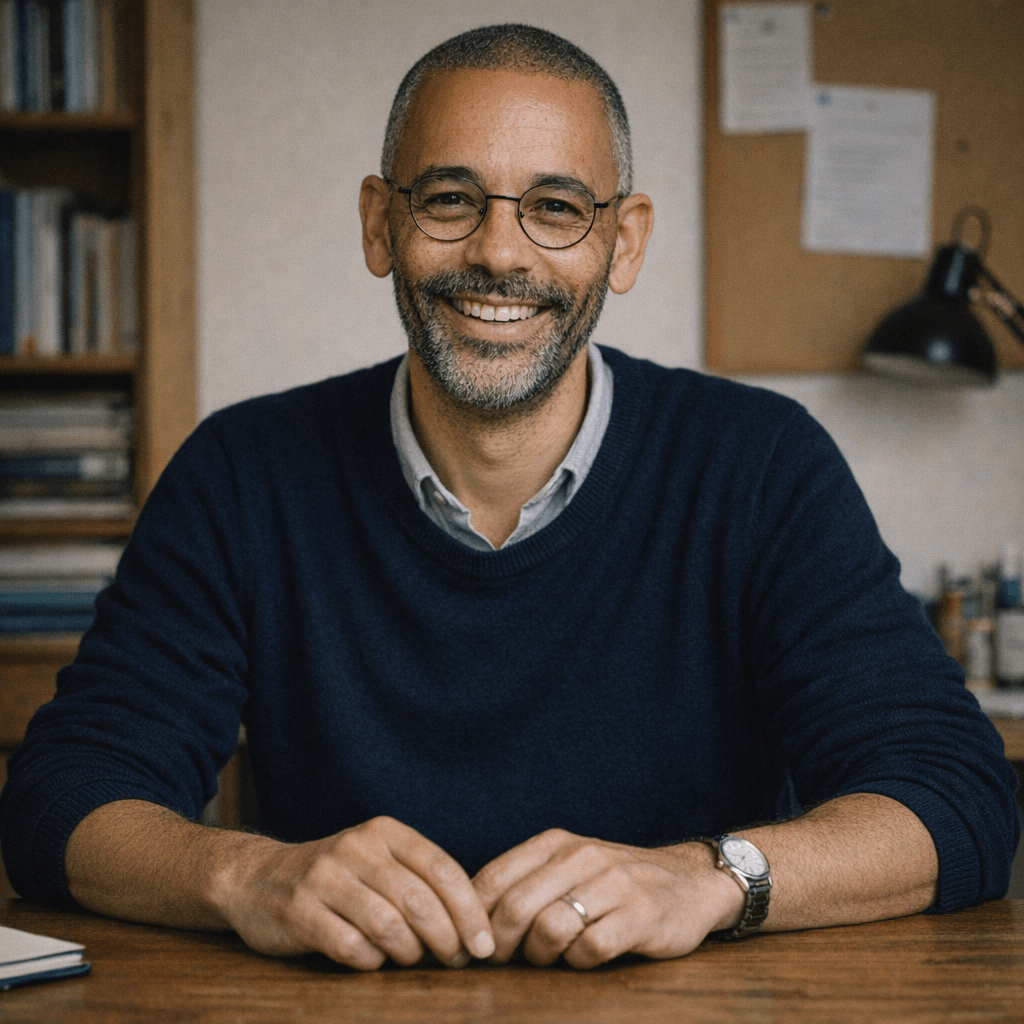
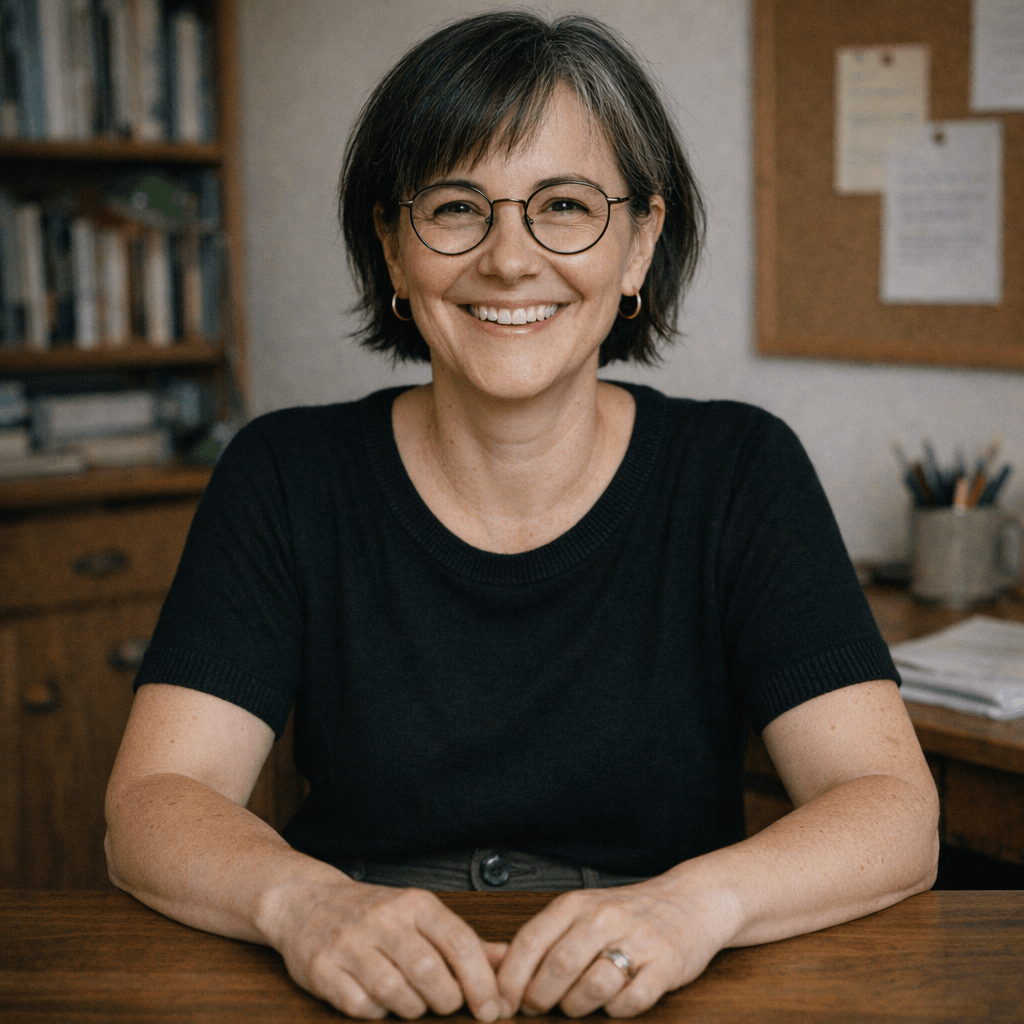
Sono cresciuta a Prato sopra una merceria di famiglia, tra rocchetti, fatture e telefonate in tre lingue. Mia madre parlava poco quando era stanca. Mio padre faceva conti su foglietti piegati in quattro. In casa i racconti finivano quasi sempre con qualcuno che aveva deciso troppo tardi. Mia nonna diceva: “Chi non decide, obbedisce.” Io me la sono scritta dentro, anche se oggi non sono sicura che sia vero. Però quando leggo un personaggio fermo troppo a lungo, la matita mi va da sola sul margine. Non sono arrivata ai libri con un piano. Ho studiato economia perché sembrava una cosa utile e perché in casa nessuno aveva voglia di discutere ancora di affitti, stipendi e futuro. Per un’estate ho riparato biciclette nell’officina di mio zio a Campi Bisenzio. Non c’entra molto con il mio lavoro, credo. Ricordo solo il grasso nero sotto le unghie e il rumore secco delle camere d’aria quando scoppiavano. Ancora oggi, quando una trama perde pressione, penso a quel suono prima di trovare le parole giuste. Il primo lavoro editoriale è arrivato per convenienza, non per vocazione. Una piccola casa editrice cercava qualcuno che sapesse usare bene Excel, leggere contratti e non spaventarsi davanti a manoscritti lunghi. Una redattrice era in maternità. Io avevo bisogno di pagare il mutuo. Ho iniziato sistemando schede, bozze, lettere agli autori. Poi mi hanno passato romanzi completi perché ero “quella che trovava dove la storia smetteva di fare i conti con se stessa”. Non era un complimento elegante, ma era abbastanza preciso. Adesso lavoro come editor generalista perché molti manoscritti non hanno un solo problema. Hanno una scelta mancata al capitolo tre, una promessa di genere dimenticata al centro, dialoghi che coprono il vuoto e un finale che arriva per comodità. So di essere più dura con i protagonisti contemplativi che con quelli impulsivi. Non provo a correggere del tutto questo limite. Nella Fiction posso accettare lentezza, ambiguità e silenzio, ma non accetto che il romanzo chieda al lettore di aspettare cento pagine prima di vedere qualcuno pagare il prezzo di una decisione.
Domande comuni su come scrivere un libro come The Picture of Dorian Gray.
Build a polite setup, then snap it with a late-turn epigram to make the reader laugh first and understand later.
Oscar Wilde wrote like a man polishing a dagger until it reflected your face. His pages run on a simple engine: state a social truth, flip it into a contradiction, then let the reader laugh before they realize they just agreed with something uncomfortable. He doesn’t persuade by arguing. He persuades by making the clever response feel inevitable.
The technical trick isn’t “being witty.” It’s controlling the setup. Wilde builds expectation with plain, almost proper phrasing, then turns the sentence at the last possible moment. The turn lands because the first half plays fair. He also stacks reversals: one epigram gives you a grin; three in a row builds a worldview that feels both elegant and faintly corrupting.
He treats conversation as a battlefield of status, not a delivery system for information. Characters talk to win, to hide, to bait, to redefine the terms. Meaning lives in what a line refuses to say. And he uses a light surface to smuggle heavy judgments about desire, hypocrisy, and the price of performing respectability.
Modern writers still need him because he shows how to make style do narrative labor. But imitating him breaks most drafts: people copy the sparkle and forget the scaffolding. Wilde revised obsessively, and you can feel it in the balance—every line sounds effortless because it has been engineered to sound inevitable. Study him for the mechanics of the turn, the management of charm, and the ruthless clarity beneath the lace.
Apri Draftly, porta la tua bozza e passa dall'impasse a una bozza più solida senza perdere la tua voce. Gli editor sono in attesa quando vuoi un'analisi più approfondita.
🤑 Crediti di benvenuto gratuiti inclusi. Nessuna carta di credito richiesta.The second half runs on tightening exposure. Wilde plants names, scandals, and late-night streets around the West End like tripwires. Every time someone confronts Dorian or hints at what they know, you feel the noose shorten because you understand the true threat: not punishment, but revelation. When Basil finally demands truth, Wilde forces Dorian into the one action that cannot stay “aesthetic.” The story turns from corruption to cover-up.
If you imitate this novel, don’t imitate the epigrams. You will write a book of witty quotes stapled to nothing. Imitate the pressure system: a choice that trades virtue for a benefit, a mechanism that records the cost, and a society that rewards the benefit until the cost spills out. Wilde makes the fantasy attractive and then engineers the moment when the fantasy becomes a trap. That’s why it still works.
Struttura della storia e arco emotivo in The Picture of Dorian Gray.
The emotional trajectory reads like a tragedy disguised as a wish-fulfillment curve. Dorian starts as a likable blank page with real sensitivity, then ends as a man who cannot live with the evidence of his own choices. He gains social fortune while he loses internal stability, which creates the book’s nasty paradox: the better his life looks, the worse it feels.
Key sentiment shifts land because Wilde times them to moments of choice, not moments of event. The high points come when Dorian believes he found a loophole in morality. The low points hit when someone asks for honesty and he realizes honesty would cost him everything he “kept.” The climax lands hard because Wilde forces Dorian into a final attempt to destroy the record rather than change the behavior, and that logic turns on him.
Cosa possono imparare gli scrittori da Oscar Wilde in The Picture of Dorian Gray.
Wilde builds a plot out of a moral accounting system. The portrait doesn’t “symbolize” corruption; it operationalizes it. You can measure change scene by scene, which means Wilde never needs to plead with you through explanation. If you want readers to feel theme instead of hearing it, give the theme a mechanism that keeps score. Modern novels often stop at vibe and leave consequence offstage; Wilde drags consequence into the room and hangs it on the wall.
He also uses dialogue as a weapon, not decoration. Watch Lord Henry in Basil’s studio: he doesn’t argue like a villain, he performs certainty. He drops epigrams that sound like truths, and Dorian absorbs them because they flatter his fear of aging. In later conversations, Henry keeps talking as if words equal philosophy, while Dorian starts treating words as cover. You can learn a sharp trick here: let two characters use the same style of speech for different aims, then reveal the difference through outcomes.
Wilde’s atmosphere comes from sharp social geography. He moves you between Basil’s studio (private worship), Henry’s drawing-room talk (public charm), and the theatre where Sibyl performs (art as commodity). London becomes a map of moral compartmentalization. Many modern writers shortcut this by describing “dark streets” or “high society” in general terms. Wilde pins mood to rooms, objects, and rituals, so each location pressures Dorian to play a specific role.
Finally, Wilde controls pacing by alternating seduction and recoil. He lets you enjoy the glamour of being admired, then he forces you to look at what admiration costs someone else. That alternation keeps the book from becoming either a sermon or a celebration. If you write moral decline as a straight slide into darkness, you bore readers because you remove temptation. Wilde keeps temptation intelligent, articulate, and fun, which makes the fall feel like a choice you might have made too.
Consigli di scrittura ispirati a The Picture of Dorian Gray di Oscar Wilde.
Write your “cleverness” with a leash on it. Wilde earns his epigrams because he points them like darts at a live target: a young man’s fear of aging, a society’s worship of appearances, a friend’s possessive admiration. If you write quotable lines without a target, you build a greeting card rack, not a novel. Make every stylish sentence either change a relationship or tighten a temptation. And let the voice flirt with the reader while it also warns them, because that double tone creates trust.
Construct your characters as functions in a moral machine, then give them human leaks. Dorian wants sensation and escape from consequence. Lord Henry wants influence and entertainment; he treats people as proofs for his ideas. Basil wants purity; he mistakes love of beauty for love of a person. None of that requires backstory dumps. You reveal it by choices under social pressure, especially in rooms where politeness forces subtext. If you can’t state what each character protects at all costs, you can’t build Wilde-level inevitability.
Avoid the genre trap of making the “corruption” either instant or purely external. Wilde doesn’t blame a demon, a curse, or a single trauma. He shows a sequence of permissions. Dorian doesn’t fall because the portrait exists; he falls because he uses the portrait as an excuse to stop paying attention to harm. Writers often rush this and turn the protagonist into a cartoon monster to speed up plot. Keep your protagonist attractive longer than feels safe, and let the reader feel the trade.
Try this exercise. Write a scene where your protagonist makes a private bargain right after someone plants an idea in their head. Put a physical object in the room that can record the bargain, but don’t call it a symbol. End the scene with a small, undeniable change in that object that no one else notices. Then write three later scenes in different locations where the protagonist gains social reward while the object worsens by one clear notch each time. Don’t explain the rules; make readers infer them from pattern.

Metti la tua bozza in Draftly. Correggi scene e dialoghi nel testo — non in un'altra scheda. Quando vuoi un feedback più preciso, gli editor AI sono pronti.
🤑 Crediti di benvenuto gratuiti inclusi. Nessuna carta di credito richiesta.